
The gaming landscape has transformed over the past decade. The once-clear boundaries between “serious” console gaming and casual mobile experiences are becoming increasingly blurred. What started as simple puzzle games and basic time-killers has evolved into a sophisticated ecosystem that challenges traditional gaming paradigms.
As we move further into 2025, a legitimate question emerges: Are mobile apps genuinely beginning to supplant traditional video gaming as the dominant form of digital entertainment?
The Rise of Mobile Gaming
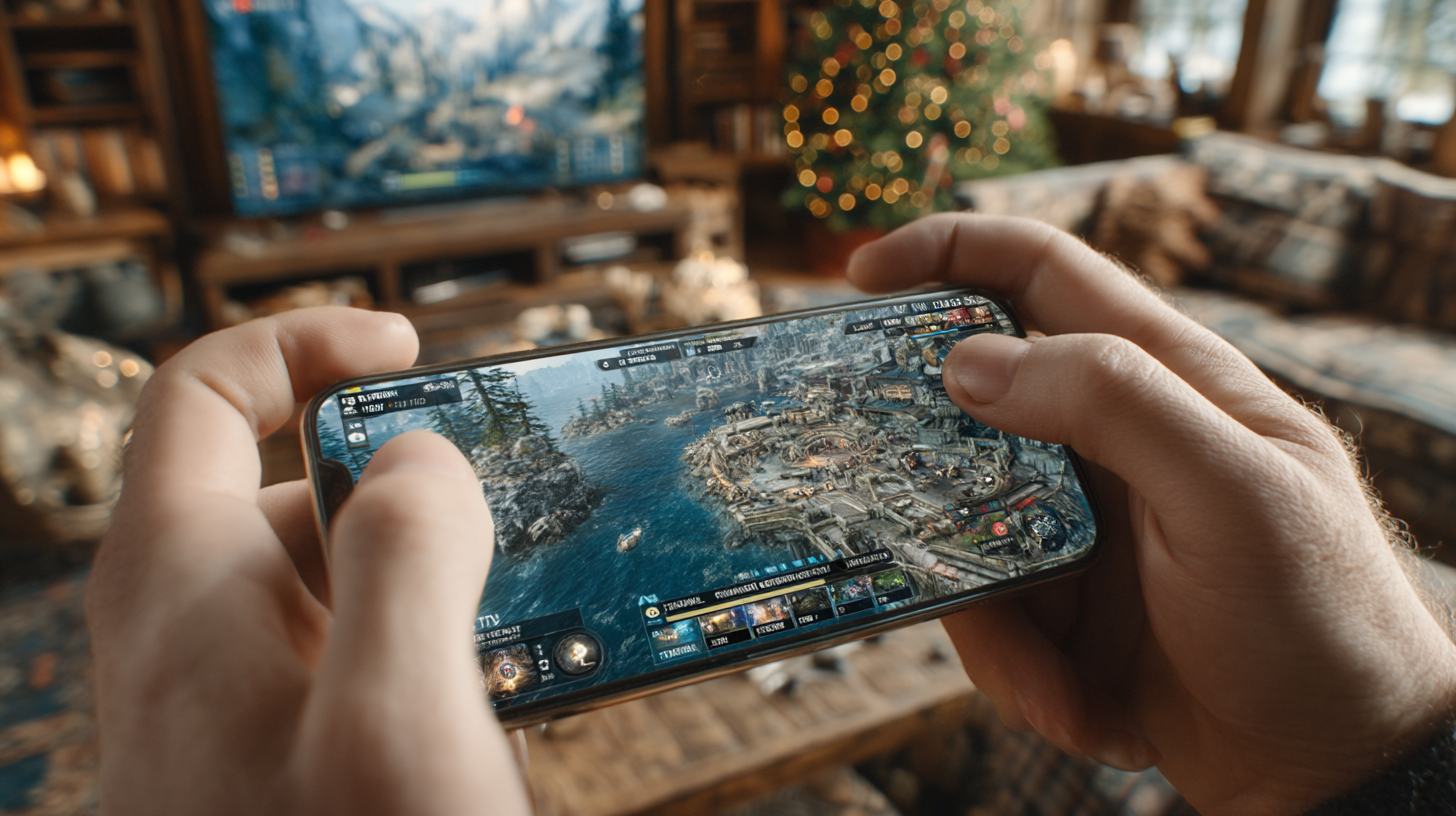
Mobile gaming revenue crushed both console and PC gaming combined in late 2023, and this gap keeps widening in 2025. This is not merely about money changing hands; it is about a deep change in who gets into the game and how those who do play. Smartphones have taken gaming to millions who never held the sight of a controller or even a gaming PC, creating entirely new audiences almost overnight.
In particular, the poker app market has exploded, with platforms that are offering experiences that capture the tension and strategy of physical table play, with added convenience and accessibility. This accessibility revolution begins with the simple act of using your smartphone. Instead of an investment in hardware, millions of players all over the world carry gaming devices in their hands that can play just about everything from quick poker sessions to strategic card games that are as deep and engaging as they are on desktops.
Traditional Gaming vs Mobile Shifting Demographics
The console and PC gaming still retain their niche subcultures and audiences, but mobile gaming has continued expanding its demographic markets in ways that traditional platforms have yet to maintain a pace. The profile of the average mobile gamer has matured dramatically since the stereotypical type, the “casual” gamer of the early days of the smartphone.
The pool of today’s app gamers covers all ages and backgrounds, but especially the number of adults aged 30-45 is growing. These are generations with disposable money but little free time. This group appreciates the flexibility of mobile gaming, which allows for meaningful play experiences without the commitment required by many console titles.
The Convenience Factor
Mobile gaming success is not surprising, considering modern lifestyles. Conventional gaming requires settings-specific time blocks and locations. In contrast, mobile apps fit effortlessly into everyday schedules, enabling players to spend time playing on their travel, during lunch hours, or in their spare time.
This “gaming-in-the-gaps” approach has proved astonishingly successful in stealing the attention that would otherwise be devoted to it by the likes of social media or passive activities. A subway ride of fifteen minutes may not be long enough for a mission in an open-world console game, but it’s just the right length for a strategic card game or several hands of poker.
Quality Convergence When Mobile Rivals Console
Perhaps the most significant development in recent years has been the narrowing quality gap between mobile and traditional gaming experiences. Early mobile games were defined by their limitations—simplified graphics, basic mechanics, and shallow gameplay loops designed for distraction rather than immersion.
Today’s landscape tells a different story. Technological advancements in mobile hardware have enabled experiences that would have been unimaginable on smartphones just five years ago. Games like “Mythic Realms” and “Eternal Conflict” offer visual fidelity and gameplay depth that rival mid-tier console releases, while requiring none of the dedicated hardware investment.
This quality convergence extends to traditionally complex genres as well. Card games that once required physical components or powerful PCs now thrive in the mobile space, with interfaces designed specifically for touch controls rather than feeling like compromised ports of desktop experiences.
Social Gaming New Face
The social dimension of gaming has undergone a parallel transformation. Consoles and PCs have had working online components for a long time now, but mobile gaming has incorporated social mechanics at a far more fundamental level, using existing social networks and patterns of communication.
This integration builds a powerful engagement loop that loops the players back not only to enjoy the gameplay but to relive the relationships and communities that are developed around these experiences. The most successful mobile games know that they’re not competing with other games for attention; they’re competing against every other type of digital social interaction.
Games such as card apps are a good example providing this approach; they create communities with shared strategic interests around them and do not necessarily make the game as difficult to play that it would take hours of full-out gaming before the next session could be played, rather the screen time is just enough to play for a little while between other commitments. This model has been especially useful in keeping players that would otherwise be lost on more challenging gaming fare.
The Future of Gaming Ecosystems
Predictions about traditional gaming’s demise are premature. Instead, we’re seeing an evolution toward an ecosystem where different gaming forms complement rather than compete.
Console and PC gaming still deliver premium, high-fidelity experiences for dedicated play sessions, with advantages for genres requiring precise controls or powerful hardware.
Mobile has carved its territory through accessibility and social integration. The “casual” versus “hardcore” distinction fades as players move between platforms based on circumstances and available time.
Cross-platform functionality accelerates this trend. Players might use a card game’s mobile app during the day, then switch to console or PC for evening sessions, with seamless progress across devices.
Wrapping Up
The gaming landscape isn’t experiencing a revolution so much as an evolution. Mobile apps aren’t replacing traditional gaming—they’re expanding what gaming means in our daily lives. As technology continues to advance, the question isn’t which platform will win, but how players will benefit from this expanding ecosystem where gaming adapts to our lifestyle rather than the other way around.
The future of gaming isn’t about dominance, but diversity, and that’s a win for players everywhere.