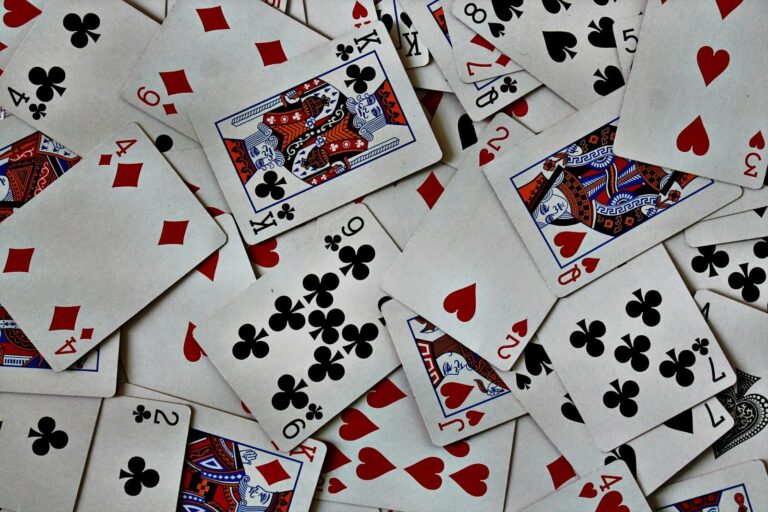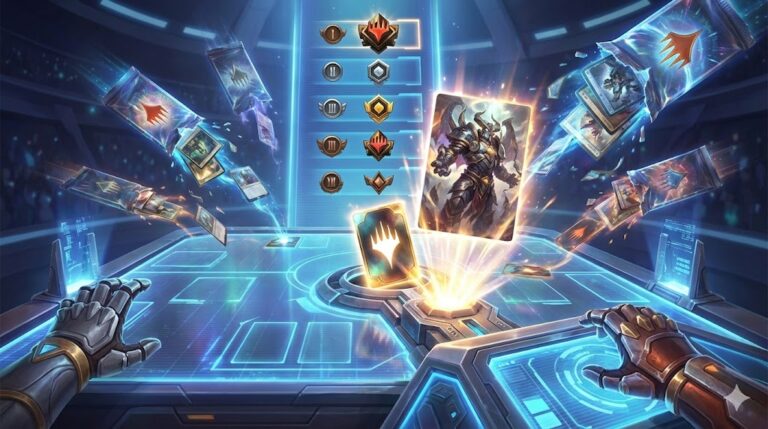

In the last few years, the Australian gaming community has become more concerned with the ethics of in-game gambling. Loot boxes aren’t considered to be a form of gambling, but they do seem like one.
They are legally not considered to be a form of gambling because there is no way you can cash out what you have earned from your loot. Some game developers, such as Gacha games, have extended loot boxes in their various game genres, making them an essential part of the games. We thank John Gold of BetPokies.com for the research he did in support of writing this article. Let’s dive into the details.
What Do Collectible Games Have to Do With Loot Boxes?
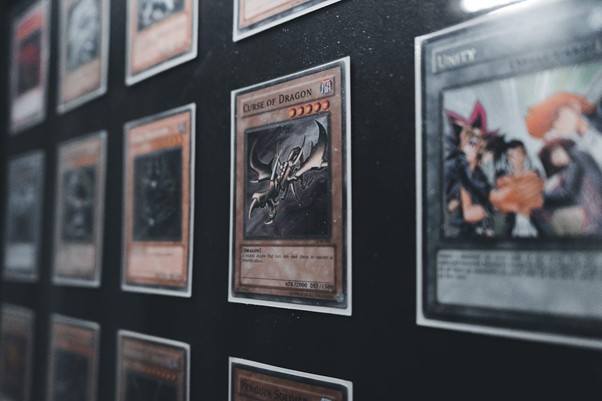
One of the genres that have gotten deep into the loot boxes narrative is collectible card games which are more or less the same as loot boxes but what you get are cards rather than game items like new skins or weapon upgrades.
Like loot boxes, collectible card games are also not considered a form of gambling, but if you really get to know what they are all about, your conclusion will most likely be different.
Booster Packs
Many booster packs usually have randomly assorted 15 cards of various rarities and types. You can collect as many cards as you want, and if you do not want them or you have too many, then you can trade them, which in theory would balance things out but is that really how it works?
There could be more to it. The cards fall into different hierarchies, and some are in more demand than others because they have greater chances of winning. Official tournaments also have ban lists which further affects the cards.
You can build your deck in many ways and play in just as many ways, and you would expect that with more editions coming out, you would have more options but as the meta shifts, so do the individual card values.
Obsolete and Banned Cards
That raises the question, what happens when the rare cards that were a must to have in a deck to be considered successful get the ban from competition, or they become obsolete? These cards can cost as little as a few dollars and as high as thousands of Australian dollars. If luck is on your side, getting booster packs can help complete your deck or collection.
That is why the idea of bundles, fat packs, booster boxes, and pre-completed decks came to be. To give players a fighting chance and to be at an advantage when they purchase in bulk. It all comes down to buying one card for 100 Australian dollars or a booster box, which could be worth a lot more, but you can never be sure.
The Difference Booster Packs Make
A regular booster pack should have 15 cards, while some, like The Magic set Throne of Eldraine, can have as many as 268 cards. A single box gives a 0.5% chance of acquiring any of the set’s cards but does not include the card’s premium versions and foil variants.
What’s more, the booster cards are not distributed entirely at random. The cards are cut from sheets of eventual patterns as manufacturing streamlines the production and packaging process of the cards. However, the boosters are put in boxes and shipped out at random.
A booster box contains 360 cards meaning that you get a 1.34% chance of acquiring all the Throne of Eldraine set’s cards which is unlikely but not impossible. As much as this is true, people do not simply purchase decks from all the cards.
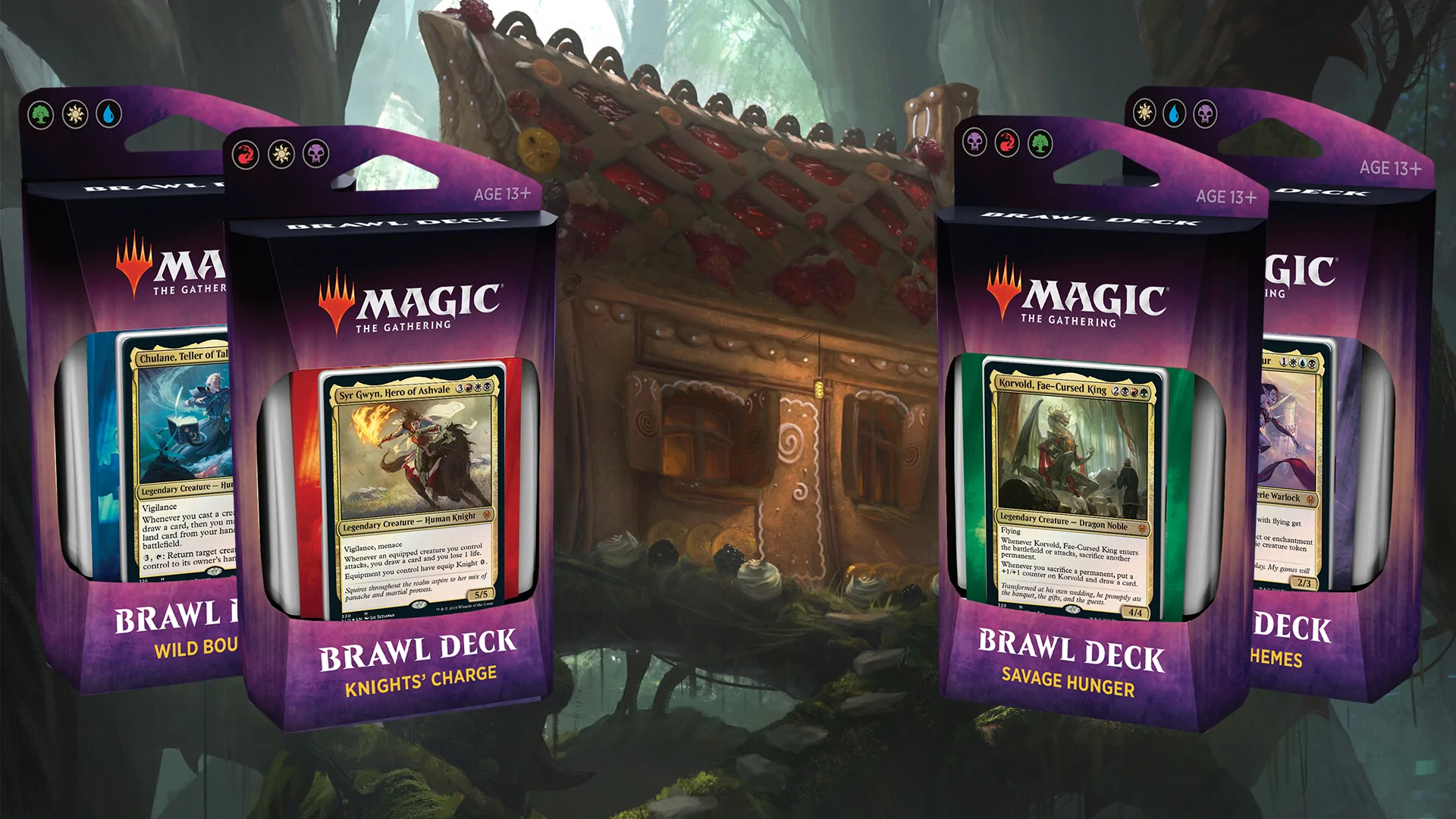
When you have a pack with 15 cards, you should be able to build a valuable deck, but the possibility is very low. There are ways of purchasing or building a deck, like Guild Kits and Brawl Decks. A booster pack’s main objective is to be used in the draft, limited, or sealed play.
Could Collectible Card Games Be Malicious?
Finally, even if the game designers intended to create a game with a malicious meta order and make more sales to earn revenue. Buying a game is purely a person’s choice, and they can always choose to spend less or more if the game requires them to invest some cash in playing.
When you look at it from another perspective, the culture around collective cards seems intentional and also accidental. People can get into the respective series lore and the premium products that have no actual bearing on the merchandise, and they can also be in the fandom but be inactive.
People invest in the game differently, just like not all Warhammer 40K players plan to acquire the same number of points similarly while following the same rules. Some Australian players will want to collect more cards than others and build more valuable decks. It is entirely up to the player.
What’s the catch?
- The value of the cards can change at any moment.
- Cards sometimes become obsolete.
- Buying a booster pack Is not a guarantee that you will win. The possibility is very low.
- Tournaments ban cards as they wish.
- There is no guarantee that you can trade a card you do not need.
But,
- Australian players invest in the games differently.
- Whether people collect cards is entirely up to them.
- Not all players in the fandom are active.
Collectible card games are similar to loot boxes, and loot boxes were even banned to protect children from manipulating monetizing tactics in games as they are statistically more at risk than adults.
Conclusion
There are varying opinions on whether collectible card game practices are ethical, especially after in-game loot boxes caught the attention of the law; Australians need to ask more questions.
Remember, if you ever feel you are addicted to gambling, you can call the National Gambling Helpline on 1800 858 858.