
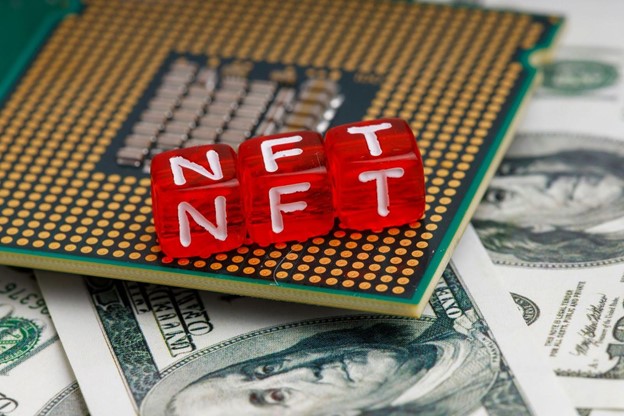
Crypto card games can range from traditional card games using cryptocurrencies as tokens, or they can use NFTs as the cards themselves, bringing real world value to players’ decks. Crypto card games do have some unique requirements, including having an appropriate crypto wallet, but the requirements are quite straightforward once you know what’s needed.
Game Types
There is a variety of different crypto card games. Many are similar to trading or battling card games. In these games, every card is minted as a non-fungible token. If cards are won by other players, the NFT is handed over to that person, meaning they take ownership of the token. Otherwise, the games are played very similarly to other trading card games like MTG.
Crypto casino games can also represent another type of crypto card game. Games like poker, blackjack, and baccarat are well-known games that have been around for centuries. And while players don’t get to keep the hands they win, deposits and withdrawals can be made using cryptocurrencies. Cryptos like Bitcoin offer virtually anonymous, secure, and private transfers, making them a popular choice with online card gamblers.
What You Need
Regardless of game type or specific game, crypto gamers do need certain things to start playing: a crypto wallet, crypto funds, something to play games on, and the games themselves.
A Wallet
A crypto wallet holds the keys to your owned crypto assets. This includes cryptocurrencies as well as NFTs. There are a lot of wallet options available, from cold to hot wallets and from software to hardware. But not all wallets are compatible with all assets. If you’re playing trading card games, choose a wallet that offers NFT compatibility.
If you’re playing online casino games, use one that is compatible with the crypto coin you are going to use. Bitcoin, Ether, Litecoin, Dogecoin, and Tether are the most commonly used coins in these cases, and they are also the most commonly supported crypto assets. You can, technically, store crypto on an exchange, but doing so is not considered secure, and you may be hit with fees when sending and receiving payments.
Crypto Assets
Once you have a wallet, you will need some of your chosen crypto asset. For trading card games, this typically means using a currency like Ether to buy your starting cards and any upgraded cards you want. Although many games do use NFTs on the Ethereum network, some games use other networks like Solana or Bitcoin. Not only will you need a wallet that can store the NFTs and the crypto you use to buy them, but you will need some of that crypto to start.
Although you can buy them privately, and sometimes directly from games, the most common way to build your crypto balance is to buy coins through centralized exchanges. Binance and Coinbase are two of the largest exchanges in the world and they offer access to all mainstream coins, which can be bought using common fiat currencies.
Choosing Platform
Crypto games are most commonly available on PC and mobile platforms. Choose the platform that suits you best. PC offers greater flexibility in terms of the games that are available, but mobile devices are portable so you can enjoy your crypto game wherever and whenever you want. As yet, there are no crypto card games available on console or handheld console devices, although that may change as the technology continues to develop.
Choosing Games
The market is not yet as developed as the video gaming or mobile gaming market. Many developers are still working out how best to utilize blockchain and crypto technologies, but there have been some successful games. Cryptokitties arguably started the whole crypto trading card game phenomenon and while it still remains popular today, there have been a number of other games released.
Gods Unchained, Axie Infinity, and Parallel are some of the most popular crypto card games at the current time. All of these games run on the Ethereum blockchain and while Gods Unchained and Parallel are fairly standard trading card games, Axie Infinity has a more evolved and involved metaverse element to it that is likely to grow over time.
Trading Cards
NFT trading card games are a lot closer to traditional TCGs than other digital equivalents. When you play MTG, you keep the cards you purchase and there is a potentially lucrative market for some of the rarer cards. In traditional digital trading card games, this isn’t the case. Strictly speaking, the game maker retains ownership of the digital assets in their game.
In games like Cryptokitties, the NFT cards are yours to keep and you can do what you want with them. They can be won or lost, collected, or they can be traded inside and outside of the game.
NFT Marketplaces
Non-fungible tokens are digital assets. You retain the keys to the NFT and these keys can be given to or traded with other players. Most games offer the chance to sell or trade cards in game, but there are also NFT marketplaces where they can be bought and sold.
Players can make real money from their trading card gaming efforts, or they can buy better-quality and more powerful cards using cryptocurrency. It is worth comparing the prices of cards on relevant marketplaces, as well as in-game, to ensure that you’re getting the best deal or making the most profit. OpenSea is one of the largest and most popular NFT marketplaces and is a good place to start.
Conclusion
Crypto gaming is still an emerging market, but card games are among the most popular types of game within this realm, especially if you include crypto casino card games. For lovers of Magic: The Gathering, NFT trading card games can give a very similar experience to the physical game, because players own their cards. This means they can be collected, traded, bought, and sold as well as battled.
To enjoy these games, players need wallets, crypto assets, and a suitable platform on which to the play the games, but there is a large selection of each of these requirements.