
A deck of cards has always been more than a few pieces of paper. It’s history and culture all packed into one neat stack. Those 52 rectangles have traveled through time. They have crossed continents and cultures. What began as painted designs centuries ago has turned into one of the most versatile tools in gaming.
The digital world (and the physical one) is changing gaming a huge amount in the modern age. Card games aren’t limited to just the classic decks anymore…
The Classic Games Still Holding Strong
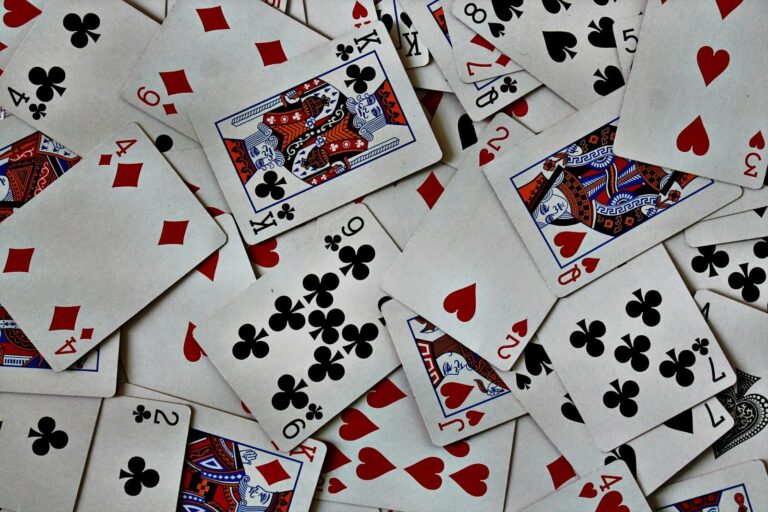
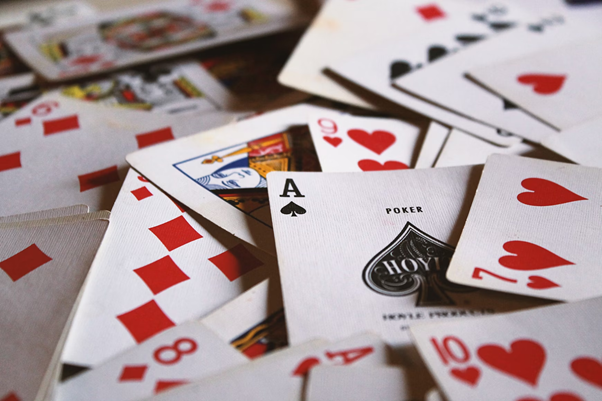
Traditional card games remain the foundation of so much play. Poker and blackjack are casino staples. Rummy and solitaire provide both social and individual games. They’re all built from the same familiar set. The designs might shift slightly between brands. We’ve all seen novelty cards – but the symbols are universal. They’ve become part of everyday culture and are even recognized almost anywhere in the world. You can’t say that about many forms of games.
Each classic game has its own rhythm. Poker focuses on bluff and nerve. Blackjack has simple action and an edge of strategy. Solitaire is a game to test individual logic. These games show how a single deck can stretch across moods and many centuries.
That’s the beauty of traditional cards. They’re endlessly adaptable. Anyone could come up with a game if they put their mind to it.
The digital world didn’t leave cards behind. It reshaped them. As technology grew, classic card games found new life on screens. People could play with friends across the world instead of across a table.
Blackjack became one of the biggest hits online. The way it’s played has been on some journey. Many players now tap screens instead of sliding chips. Rounds move faster this way. Graphics and multiple versions add an atmosphere that feels close to real life. People who play blackjack online have a choice of different game variations and interfaces.
This shift has made blackjack more accessible. It’s available around the clock and can be played casually in a way that suits the player. The digital version keeps the strategy and entertainment alive while adding convenience and style. It’s a perfect example of how old card traditions adapt to modern times. The internet has even brought more information on blackjack and memes about whether to hit on 16!
A History Beyond the Casino
Card decks didn’t start as we know them today. Long before the modern suits appeared, early versions came from Asia. Designs featured symbols of trade and everyday life. The European deck we now use is very different. It got the four suits and royal court cards around the 15th century. There have been other cards from throughout history showcased in museums. They show how the suits (and games) could have been very different.
Since then, designs have continued to evolve. Some decks are highly artistic. Others go minimalist and modern. Designers often experiment with the look or materials. The cards don’t tend to lose their meaning. People know what the numbers and suits stand for.
When Cards Became Collectibles
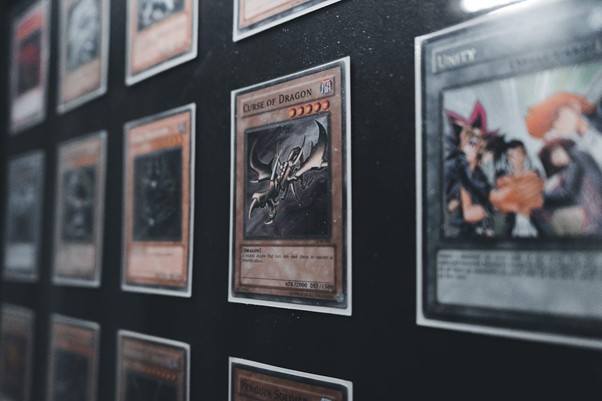
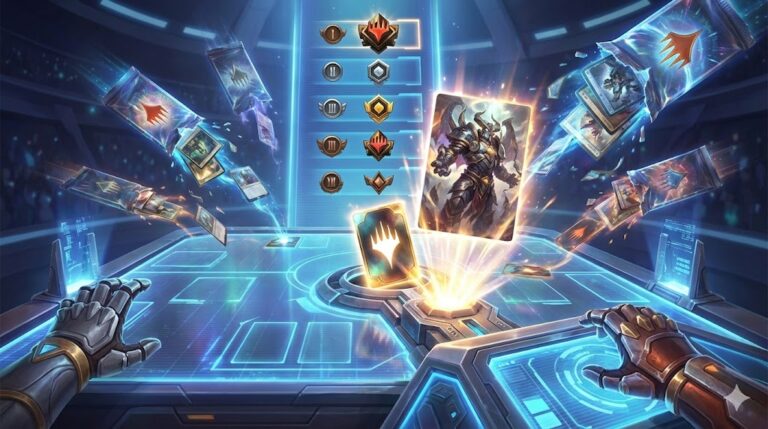
In the last few decades, a new wave of card games has redefined what a “deck” can be. Trading and collectible card games exploded in popularity. We only need to look at the impact of Magic: The Gathering in the 1990s (and beyond). These games swapped the standard four suits for fantasy creatures and heroes.
Unlike a traditional deck, collectible cards aren’t identical. Players build personalized sets and strategies. They may use cards from booster packs or trades – games like MTG have budget options to get people started.
The hobby turned competitive and deeply social. Tournaments and online marketplaces grew around the culture. Some rare cards became valuable and have even sold for significant sums of money. This has even gone into the millions in the case of MTG.
There have been other card games that built their own universes of collectible cards. They showed how flexible the idea of a deck can be. It’s no longer just numbers and suits.
There are also card games that don’t necessarily have any collectible element but use a different deck compared to the traditional four-suit playing cards. These include Uno. Many of us have been at a party or a bar and decided to play a game of Uno as a pastime. Cards can mean totally different things and have a whole new set of rules.
Conclusion
The evolution of card decks mirrors the evolution of gaming itself. Both started with a design that was simple and physical. Both found new life through technology. And both still hold their classic charm while exploring new ideas.
Traditional decks remain symbols of connection. Playing in person is still very popular. But technology has changed the industry and the way that people play both casino games and other card games.