
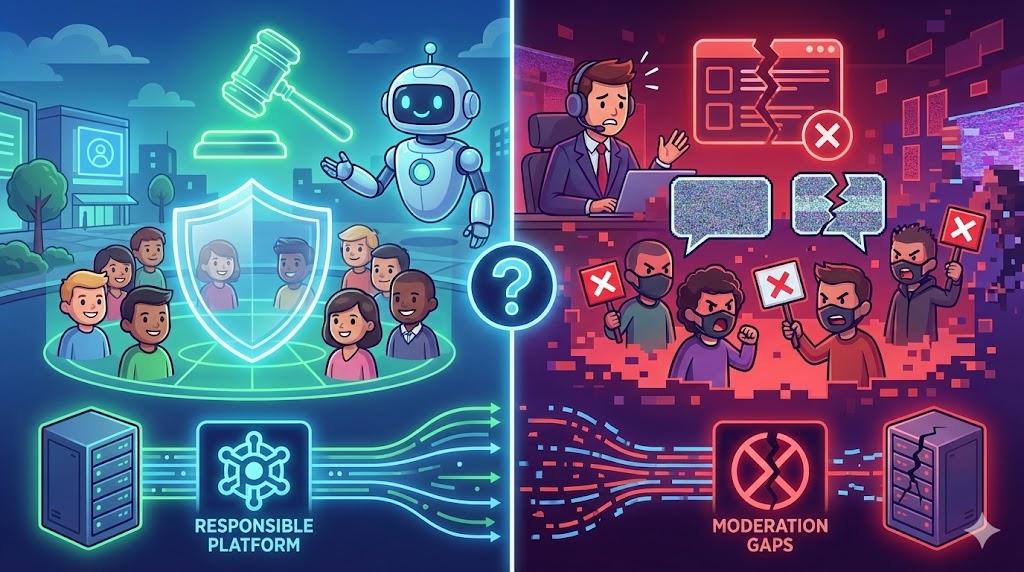

The Hidden Dangers Behind Avatars
Online gaming has evolved into a deeply social experience. Players worldwide gather in virtual environments to compete, collaborate, and build connections. These platforms host more than just gameplay—they support active, often complex communities that resemble social networks in both structure and interaction.
As these digital spaces expand, so do concerns about user safety, especially for minors. Many games include open chat systems, avatar customization, and sprawling online worlds that are accessible with minimal barriers to entry. While these features enhance gameplay, they also increase exposure to inappropriate behavior. Incidents of cyberbullying, exploitation, and predatory conduct have surfaced across numerous platforms.
For many users, the anonymity afforded by avatars offers a sense of freedom. But for minors, it can make them targets. Reports of abuse in online games have prompted concern among parents and digital safety advocates alike. A growing number of families are questioning whether these spaces are being monitored effectively—and who is responsible when they’re not.
The line between digital and real-world consequences is becoming increasingly blurred. As gaming environments grow more immersive and social, they raise serious questions about platform accountability, enforcement mechanisms, and legal consequences when safeguards fail.
When Moderation Fails: A Breach of Trust
Moderation is essential for maintaining safe digital communities. It protects users, discourages harmful behavior, and ensures that platforms function within acceptable boundaries. But many systems rely too heavily on automation and user reports, making them slow or ineffective in stopping more nuanced or hidden forms of abuse—especially those targeting young users.
Features like real-time chat and user-generated content are praised for their creativity and interactivity. Yet, without active oversight, these same features can become tools for misconduct. On larger platforms, where millions of interactions occur daily, moderation teams are often under-resourced or unable to respond in a timely manner, allowing inappropriate behavior to spread unnoticed.
The Roblox sexual abuse lawsuit brought these failures into the spotlight. The case alleges that the platform exposed minors to harmful content and interactions due to insufficient moderation. Families involved claim that policies meant to protect users were not only ineffective but also allowed misconduct to continue unchecked.
This legal action is part of a broader wave of litigation targeting platform accountability. It emphasizes the difference between having safety guidelines and actually enforcing them. When growth is prioritized over enforcement, it can result in real-world harm—particularly for children, who are often unaware of the risks or unable to advocate for themselves.
Trust in online communities hinges on effective protection. Parents rely on platforms to create safe spaces. Players expect moderation to address violations. When that trust is broken, the consequences often reach far beyond the game itself.
Player Behavior and Platform Design: Who Holds the Power?
Game design directly influences how players interact. Communication tools, reward systems, and the freedom to create or modify content shape user behavior in subtle but powerful ways. In many cases, platforms that cater to younger audiences build complex ecosystems where social interactions are as central as gameplay itself.
Features such as open chat, customizable avatars, and private messaging are intended to foster engagement, but they can also be misused. Some design choices unintentionally shield harmful behavior from detection, particularly when interactions occur in user-generated environments or private spaces.
Developers play a major role in how these features function. However, enforcement is often inconsistent due to the scale of operations or a lack of strong internal policies. This raises a key issue: to what extent are platforms responsible for preventing harm when their tools contribute to risky user experiences?
Experts increasingly advocate for more robust content moderation standards, particularly on platforms frequented by children. Game design is not neutral; it carries ethical implications. When platforms fail to consider how their systems might enable abuse, they risk not only reputational damage but also legal consequences.
Reactive moderation isn’t enough. Without clear boundaries and active oversight, communities can deteriorate quickly. The responsibility for maintaining safe digital spaces lies not only with users but also with the platforms that build and manage these environments.
The Limits of Parental Control and Community Reporting
Many platforms offer parental controls and community reporting tools to help manage user behavior. These features are intended to provide players and guardians with greater control over their experience through chat filters, time limits, and reporting mechanisms. In theory, they support a safer, more accountable environment.
In practice, however, these tools are often limited. Parental controls can be difficult to locate or configure, and they may not encompass all interactions, particularly those involving third-party plugins or real-time communication. In fast-paced gaming environments, inappropriate behavior can go undetected before any filter or setting takes effect.
Reporting systems also present challenges. Most rely on users to identify and flag harmful behavior after it occurs. This places the burden on players, many of whom are too young or unsure about when or how to act. Moreover, reports frequently enter review systems that lack transparency, leaving users uncertain about whether their concerns are being addressed.
Some competitive platforms are experimenting with more advanced moderation tools, including systems that track behavioral trends or incorporate player feedback into enforcement decisions. A closer look at how community feedback is processed in structured gaming environments shows that reporting models vary widely, with mixed results.
Ultimately, user-facing tools can only go so far. Without consistent back-end enforcement and a commitment to transparency, platforms risk placing undue responsibility on users while failing to deliver the protection they promise. For safety measures to be effective, they must be integrated into the platform’s design rather than added as an afterthought.
Legal Accountability in Digital Worlds: Where Do We Go From Here?
As digital spaces expand, courts and legislators are beginning to accord them the seriousness they warrant. Online gaming platforms are no longer regarded as neutral conduits for user activity. Increasingly, they are being held responsible for the safety and conduct within their ecosystems—especially when minors are involved.
At the heart of emerging legal cases is the concept of duty. When a platform invites users into immersive and interactive environments, it assumes a certain level of responsibility for their safety. Legal actions now challenge whether companies are meeting that obligation. Claims often include negligence, emotional distress, and failure to protect users from foreseeable harm.
Pursuing these claims involves several legal hurdles. Plaintiffs must determine the appropriate jurisdiction, particularly when platforms operate across borders. In cases involving minors, the legal process may allow more time for filing due to extended statutes of limitations. Successful claims often rely on documentation showing that platforms ignored warning signs or failed to act on user reports.
Class action lawsuits have also emerged as a way to address widespread harm. These cases can prompt significant changes—forcing companies to adjust moderation policies, hire additional safety staff, or implement regular audits. When regulatory efforts lag behind technological change, litigation becomes one of the few tools available to hold platforms accountable.
Some of these lawsuits have settled quietly. Others have progressed through public courts, highlighting systemic issues that affect millions of users. As legal systems catch up to the realities of online interaction, it is becoming harder for platforms to hide behind disclaimers and user agreements. The expectation is shifting: digital spaces must meet real-world standards of care, or face legal consequences for failing to do so.