
Bluffing is one of those things that makes poker exciting. It can be dramatic and risky, but satisfying when it works. However, it is also one of the most challenging aspects of the game to learn, particularly for newcomers. This tutorial will show you the ropes of bluffing if you’re a poker rookie who has ever wanted to know. Let’s simplify bluffing so it’s easier to understand.
What Is Bluffing in Poker?
In simple terms, bluffing is pretending you have a strong hand when you don’t. You’re trying to convince your opponents to fold better hands by betting or raising confidently.
You don’t need to have a great hand to win in poker. Sometimes, all it takes is a good story and selling that story through your bets. That’s what bluffing is.
There are two common types of bluffing:
- Pure bluff: You have nothing, but you bet anyway to scare others off.
- Semi-bluff: You don’t have the best hand yet, but you could improve it. For example, maybe you’re one card away from a flush or straight, and you bet in the hope that your opponent folds or you get lucky with the next card.
Why Bluffing Matters
Bluffing keeps your opponents guessing. If you only bet when you have strong hands, you’ll become predictable, and in poker, that’s the last thing you want. Bluffing is a great way to strike a balance in your game. With it, you can win more pots than you would have otherwise, and other players will have a tougher time reading your hand.
Be that as it may, bluffing carries its own risks. But bluffing is also risky. If you’re caught, you could lose a big pot. That’s why timing, confidence, and reading the table are all crucial.
When Should You Bluff?
Bluffing isn’t something you do randomly. Great players know when to bluff and, more importantly, when not to. Here are a few moments when bluffing might make sense:
- When in a one-on-one situation
It’s easier to bluff one person than a group. The more players in the hand, the higher the chance someone has something decent.
- When you’ve represented a strong hand
Let’s say you raised before the flop and then continued to bet on the flop and turn. Even if you missed your hand, your betting tells a story: you could have something strong. If your opponent doesn’t have much, they might fold based on your aggression.
- When you can’t win by checking
If your hand is weak and won’t win in a showdown, bluffing might be your only shot.
How to Bluff Effectively
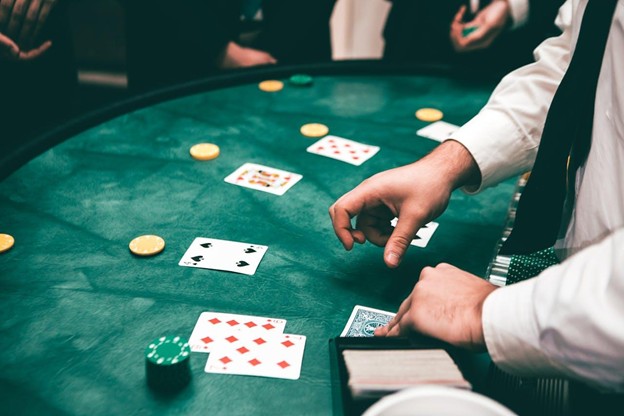
Now let’s talk about how to actually pull off a bluff. Here are some tips that can help:
Understand Your Rivals
Pay attention to how your opponents play. Are they on the tight and careful side? Then they are likely going to be easy to exploit. Are they loose and call every bet made? Then they’re probably too difficult to bluff.
Monitor Your Opponents
Your table image is extremely critical. Have you been playing tight and only betting strong hands? Then they are far more likely to accept your bluff. But if you’ve been excessively wild, your opponents may decide to call your bluff.
Make the Appropriate Bluff Bet
Bluffing requires strategy to be effective. It generally isn’t wise to bet $5 when the pot is worth $50, as no one will fold. If you’re putting down $40, however, you’re telling a believable story, as you would be making a convincing case needing to take the pot. Just don’t overshoot the value.
Analyze the Board
A good bluff works best when the board supports the narrative. If the flop shows three hearts and you’re pretending to have a flush, that makes sense. If the board is dry and disconnected, it’s harder to sell that story.
Be Willing to Fold
Walk away if your bluff gets called. Avoid trying to double down with another bluff unless there is a compelling reason. Bluffing too often, or in the wrong spots, can cost you big.
Common Bluffing Mistakes
Even experienced players mess this up sometimes. Here are a few mistakes to avoid:
- Bluffing too often: If you bluff every other hand, people will catch on quickly.
- Bluffing bad players: Some players just don’t fold. Ever. Don’t waste chips trying to bluff them.
- Not telling a story: Your bets should make sense from the start to the finish. If you suddenly shove all-in without building up to it, your bluff might fall flat.
Final Thoughts
Bluffing is a top tactic in poker, but it requires skill to play effectively. Think of it as a seasoning, not the whole meal. You don’t need to bluff all the time, but learning the art can elevate your game to a whole new level.
So, when your hand isn’t going according to plan the next time you’re playing poker, try not to freak out. Look around, read the table, and ask yourself: Is this the right time to bluff? With practice and patience, you’ll find out.
Why don’t you ramp up the excitement at OMG Casino and start your casino journey today!