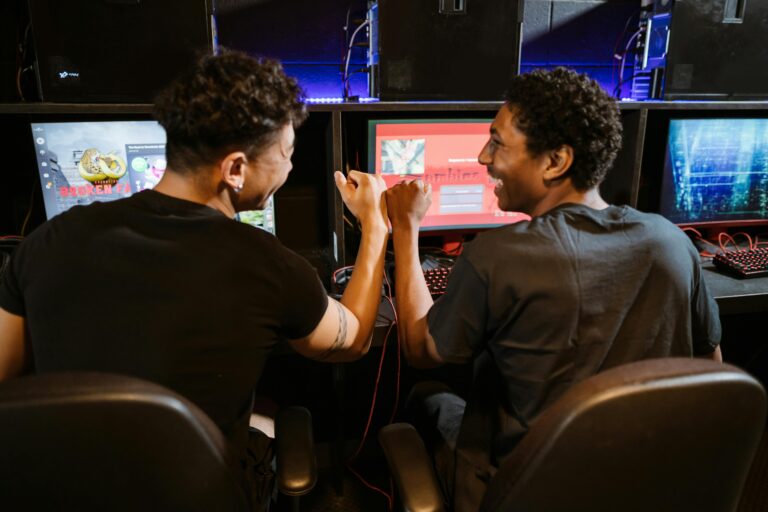


Recent years have brought many negative depictions of gaming, with questions being raised regarding its effects on children’s social skills, academic achievement, and overall well-being. Yet despite such worries about gaming’s effects on school results, we are beginning to gain more of an understanding of its link to school results despite any concerns expressed over it. While excessive gaming may pose risks, studies demonstrate that children can gain from moderate gaming through various mechanisms, including social, emotional, and cognitive growth benefits; to dispel the notion that gaming always harms pupils, we will take a closer look at this subject matter.
Cognitive Benefits
Contrary to popular opinion, playing video games may improve various cognitive skills such as problem-solving, spatial awareness, strategic thinking, and decision-making. Playing an abundance of video games can enhance decision-making abilities as they require players to navigate complex landscapes quickly while making snap judgments on the fly and adapting to ever-evolving conditions. Furthermore, with practice and mental engagement, some game genres, like strategy or puzzle games, may improve memory retention, focus, and spatial reasoning abilities.
Social Opportunities
Students can connect with peers both locally and worldwide through gaming, which fosters social engagement and teamwork. Participating in multiplayer online games allows users to collaborate, plan, and communicate with one another; online forums and gaming groups give students an outlet for sharing experiences, trading advice, and making connections that help them feel like part of a community where support exists from those who share similar interests – making gaming an excellent social connection tool!
Stress Relief and Relaxation
Many kids use gaming as an escape from school and daily life’s demands, providing much-needed respite from homework and obligations while simultaneously relaxing and rejuvenating. Studies suggest that playing video games might trigger endorphins and dopamine production – neurotransmitters linked with pleasure and mood control that may induce feelings of contentment and relaxation – leading to feelings of contentment and relaxation.
Enhancing Digital Literacy
Experience in technology and digital literacy are increasingly vital components of success in both the classroom and workplace in today’s digital age. Gaming provides an effective means of familiarizing kids with modern tools such as software interfaces and online communication channels; gaming also facilitates children learning essential digital literacy skills like software interface navigation and online messaging tools. Many modern educational games also include elements that promote information literacy, problem-solving skills, and critical thinking to enhance digital skill acquisition through fun participation games.
Fostering Creativity
Many video games provide a venue for creativity and self-expression, challenging the notion that video gaming is an innocuous pastime. Players may customize their virtual experiences through built-in level editors, creative modes, or open-world settings in games – helping foster imagination, creativity, artistic expression, and artistic self-expression. Furthermore, gamers may alter or personalize game material thanks to modding communities that surround some titles, which creates an ecosystem of innovation and user-generated content.
Time Management and Self-Regulation
Although excessive gaming may cause legitimate concerns, students can gain much from gaming activities by developing valuable life skills like self-discipline and time management. Students should practice self-control by setting limits on screen time and prioritizing work to balance gaming activities with academic obligations. Responsible gaming management may develop time management abilities as well as self-control across other spheres of life, leading to improved general well-being and academic performance. And if you still need help with academics, seek professional paper helper.
Risks and Challenges
No matter the benefits of gaming, it’s essential to recognize its risks and difficulties when taken to excess. An excessive gaming habit or addiction may lead to physical health issues like eye strain and repetitive strain injuries, as well as social isolation and neglecting academic obligations. Furthermore, certain game genres that feature graphic or addictive material could have negative repercussions on behavior, attitudes, and mental well-being, particularly among susceptible people.
Finding a Balance
Striking a balance that works for each person is key to reaping all the positive aspects of gaming while mitigating any potential negative side effects. Achieving a healthy gaming lifestyle involves teaching kids how to establish boundaries, exercise moderation, and prioritize other pursuits such as academics, socializing, and exercise as priorities while gaming is prioritized over other pursuits like academics, socializing and exercise. Furthermore, candid discussions on preferences, concerns, and gaming behavior could assist students in becoming more self-aware and responsible players.
Conclusion
Gaming should never be seen as inherently harmful to children since this fails to take into account all of the interdependent factors affecting pupils’ gaming habits. While excessive video game playing may harm children emotionally and socially, moderate gaming can bring both emotional and cognitive rewards for players if educators and parents establish healthy gaming practices and habits among their pupils. To provide kids the right kind of advice and support, parents and educators need to be up to date on the most recent studies on gaming trends and behaviors. Children may gain from amusement and relaxation as well as critical life skills like creativity, problem-solving, and cooperation when a balanced approach to gaming is encouraged.