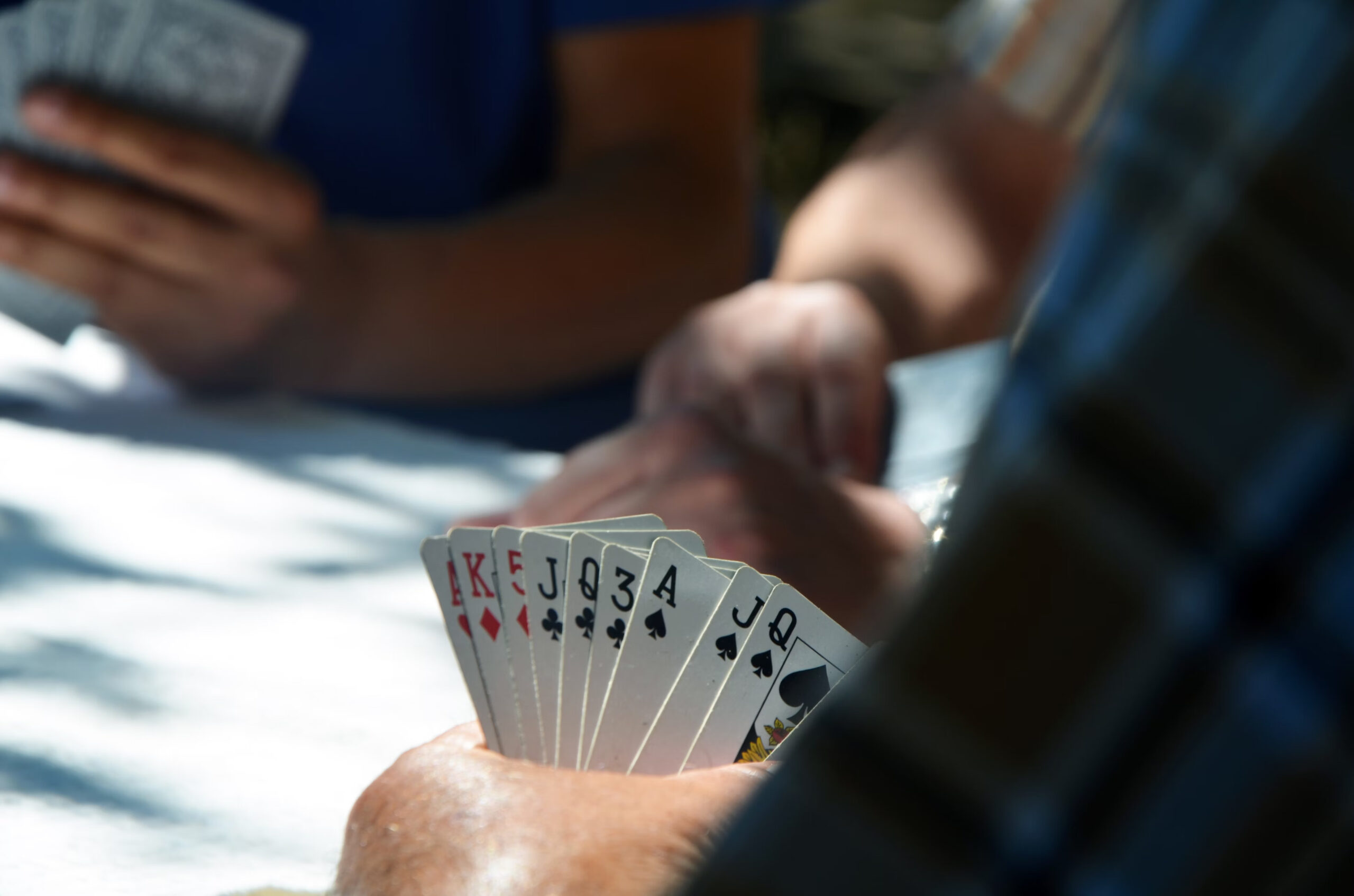

Card games can feel like life-or-death situations, especially for the more competitive among us. How can we keep our emotions under control to find greater success and enjoyment?
Poker is the ultimate test of control
Poker is more of a psychological battlefield than most card games. In 2024, the World Series of Poker Main Event was a great example of how keeping calm increases the chance of success. Winner Jonathan Tamayo kept a steady head and upset the favorites, rallying from 7th place late on. After the win, Tamayo let his emotions come out: “What in the world just happened?” he asked. His live tournament earnings to date had totalled less than $50,000, so the $10 million prize was something of a surprise. He hadn’t made plans: “That’s a lot of money,” Tamayo said. “I’m having a baby in two months so I need to get baby supplies.”
Anyone who has played likely knows that poker is an emotional game, but it doesn’t have to mean you lose control. Professional players emphasize the need to keep your emotions in check. It’s understandable to get angry after a negative result, especially when money is on the line. But tools like deep breathing and mindfulness can help you stay calm. Meditation is a part of several pros’ training regimes away from the table.
One of the most popular and successful players of all time, Daniel Negreanu, once wrote, “When people start with meditation they often think they are doing it wrong because they are unable to clear their mind of thoughts. There is no wrong way to do meditation, thoughts will come and go, the mind is designed to have thoughts.”
Thoughts will never go away forever. But with a meditation practice, you get better at noticing them, letting them go, and separating yourself from them. In other words, your thoughts don’t have so much control over you. In poker, the difference between winning and losing could be the ability to notice a thought, take a few deep breaths, and move on. Negreanu wrote, “People often ask me how to deal with a bad beat, and my answer to that is to take three to five really deep breaths.”
Emotional regulation is vital in all card games, not just poker. Whether it’s blackjack, bridge, or rummy, maintaining composure leads to better decisions and enjoyment. Visualisation is another technique that players can benefit from. Before a blackjack session, for example, a player could visualise a casino and the surroundings that they’ll see on the day of competition – the colors, the cards, the table, other competitors – and picture themselves playing the perfect game. Visualisation is popular among many elite sportspeople. Timothy Gallwey has influenced many with his books The Inner Game of Tennis and The Inner Game of Golf, influenced by traditional Zen principles.
Anxiety
Anxiety is natural. Millions of us around the world feel it. The UK charity Mind advises, “Anxiety is a natural human response when we feel that we are under threat. It can be experienced through our thoughts, feelings and physical sensations.”
You’ve likely heard of the ‘fight or flight’ response (or the ‘fight, flight or freeze’ response). When we feel like we’re under threat, adrenaline and cortisol increase, making us feel more alert so we can act faster (usual in evolutionary circumstances such as running from a physical threat, but not so useful when we’re trying to stay calm at work, or make a good decision in poker). Our heart starts beating faster, pumping blood around the body.
A certain amount of adrenaline and stress hormones can be useful in some contexts – perhaps we need to beat the competition in a 100-metre race or lift a heavy weight to set a personal record. But chronic elevation of adrenaline and cortisol can contribute to anxiety long-term. When cortisol is high, it can disrupt sleep and increase our fatigue. Chronic cortisol can affect how our brain processes fear and emotion, and decrease our ability to control stress. Constant adrenaline surges can affect heart rate and muscle tension, and cause GI issues.
Destress
Relaxing practices like mindfulness, yoga, and walking in nature can reduce stress. These activities activate the parasympathetic nervous system, our “rest and digest” mode. When our bodies feel safe and calm, we can think more clearly. Yoga is more than just stretching. It’s more of a moving meditation that helps us connect with our breath and bodies, and learn to recognize when we’re feeling tension.
By syncing movements with breath, yoga teaches us to stay in the present and be mindful. Regular practice can reduce cortisol and improve our mood. Negreanu wrote that yoga was popular “among many of the elite poker players in the world today”. He noted that changes in technology have drastically changed society and many of us are addicted to phones, laptops, and TVs. A yoga practice is a chance to slow down and, in Negreanu’s words, “just… be.”
Walking in nature is ingrained in our DNA; spending time in green spaces has been repeatedly proven to reduce stress and boost our mood. Unlike indoor settings (full of screens, devices, noises, and visual stimulation), a forest or beach helps us process emotions and untangle thoughts. We can return to our favorite card games refreshed and focused, better equipped for whatever the deck deals out.