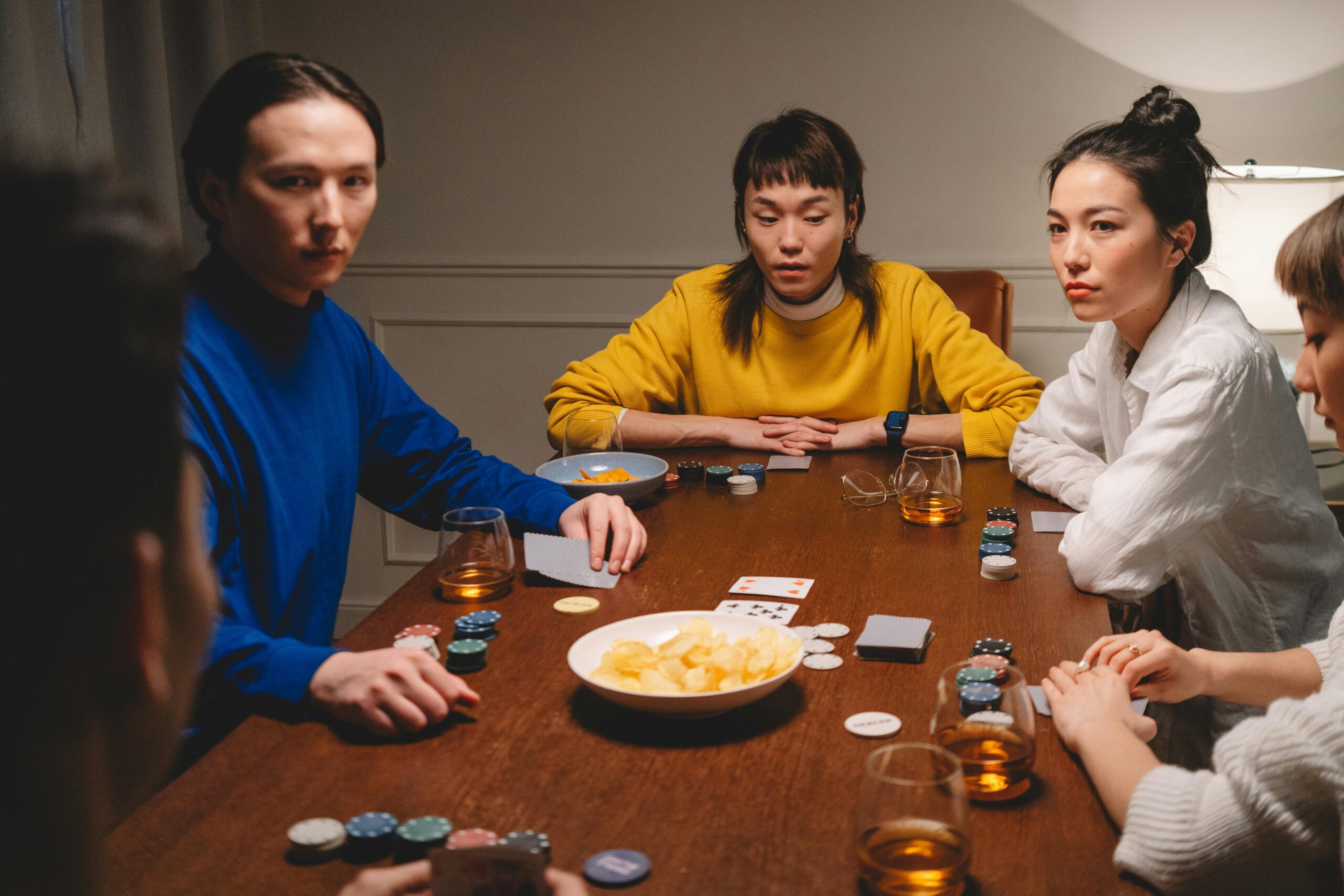

One of the strongest skills you can develop for card game play is learning how to bluff. Bluffing is a core mechanic in some of the oldest and well-beloved card games in the world, and it is a skill that can serve you well in many games, both card and otherwise. It can be used whether you are facing an opponent across a table or even if you are competing against them through your computer.
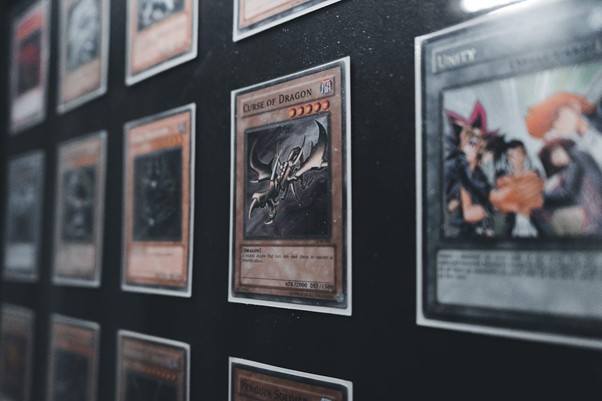
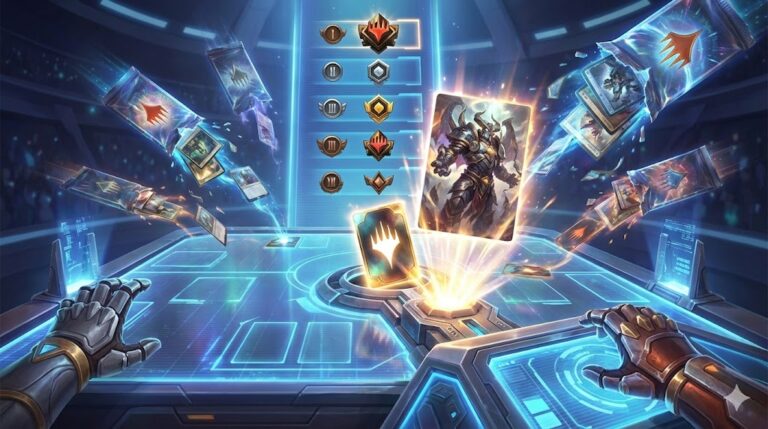
Keeping your intentions and your next play secret, or even misdirecting your opponent and letting them act on bad or incorrect assumptions, is one of the best things you can do in many card games. We are talking, of course, about the skill of bluffing. Some people might naturally possess this ability and be able to tie their opponents in knots in just about every game; for others, it is a skill that takes practice and time to hone. You might think that bluffing is a skill that is only useful in games where it is explicitly taken as a core mechanic, games like poker and Coup, but bluffing can be a useful skill in games like Magic: The Gathering (MTG) as well.
While there might be less usefulness to bluffing in MTG than there is when you are trying to misdirect opponents in poker, there is still power in getting into your opponents’ heads. It’s important, of course, to have a good technical grasp of the games you are playing. You need to know the current decks in the meta for MTG, and you should know the different poker hands an opponent could have based on the card knowledge you have. But beyond technical, deck-building and mathematical knowledge or skill, being in your opponent’s head can win you just as many games.
Let’s take a closer look at why bluffing is a skill that can be useful in games like MTG and poker, and at how you can practice and learn how to be a better bluffer.
Bluffing in Magic is Powerful
As you know, MTG is a game that rewards players who are good at strategy, have an extensive knowledge of the current meta and the types of cards likely to be played and who can judge probability reasonably well. But as well as all of that, it’s also a game about taking the most optimal action at any given time, with the knowledge that you have.
When you first start out playing MTG, it’s likely that you just dump your hand on the field as soon as you can, throwing creatures and spells at each other until someone is dead. As you start getting more experienced and see a more advanced level of play, the benefits of bluffing and reading your opponent, reacting to what they are doing and forcing them to react to you, become much more important.
Leaving mana open for a combat trick, counterspell, or a kill spell are all perfectly normal things to do, but doing so when you could play a spell just to try and alter your opponent’s play is something that high-level magic sees a lot. This sort of play works best when both players have intimate knowledge about the cards that the other player could have in their hand, as the possibility of certain cards from your decklist will force your opponent to respect them, and to play in a less-than-optimal way.
Bluffing is the Beating Heart of Poker
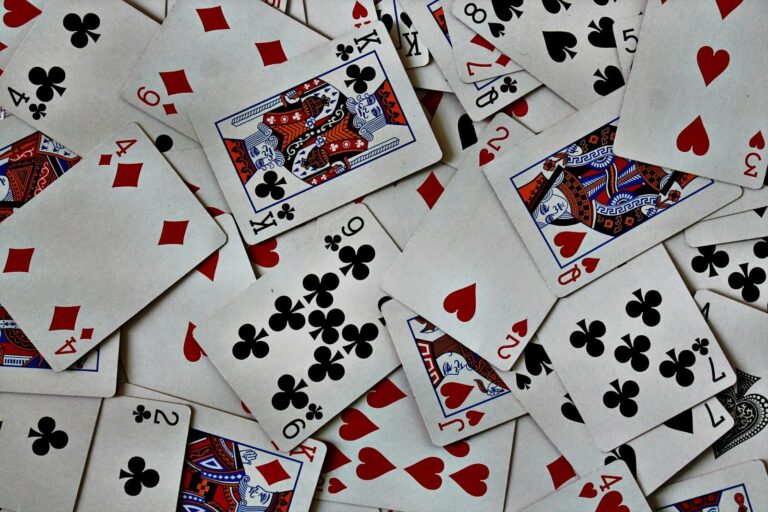
If we’re talking about bluffing, it seems ridiculous to do so without mentioning poker. It is by far the game most synonymous with bluffing, and many of the terms associated with bluffing originate from poker. It’s entirely possible to win and do well at poker just by brute-forcing and only ever betting when you have a strong hand, but that is not at all the way the game is meant to be played. Poker should be a game of pressure, misdirection, bluffing and risk-taking.
Bluffing is so much a part of the core gameplay of poker that there are many schools of thought on common ways that people play, both when bluffing and not. Some examples include:
- Betting strongly after a big card or cards are revealed on the flop or turn to suggest a strong hand.
- Betting strongly pre-flop and afterwards suggests a probability gambit may have paid off, or a high card or doubles has gotten stronger.
- Raising on an opponent’s raise can cause them to think that you have a strong hand and might make them reevaluate their chances.
These are just the tip of the poker iceberg; there are thousands of different techniques, behaviors and tropes that people exhibit. A key component of poker bluffing is avoiding giving the game away with an obvious tell when you are bluffing.
How to Become a Better Bluffer
While some, as we said earlier, may have a natural aptitude for bluffing, it is a skill, and like any skill, it can be trained and learned. Like most skills, the best way to get better at it is through practice and repetition, but there are some other tips that might help you bluff better, such as:
- Be consistent: Try not to alter your normal playstyle when you bluff; your actions should seem normal and consistent for a bluff to work.
- Don’t always bluff: If you bluff all the time, your bluffs will get called often. The best bluff is one that takes the opponent completely by surprise.
- Watch reactions: When you do bluff, try to watch how your opponents react. You will eventually learn when your bluff is working and when it isn’t.
- Timing: Bluffing isn’t always an option. Learning the times when bluffing is reasonable and when it isn’t is important.
Final Thoughts
Knowing how to bluff can help you pull victory from the jaws of defeat and can set you up to be an opponent to be feared in many different games. It doesn’t matter what sort of game you are playing; being able to get into your opponent’s head is likely to increase your chances of success dramatically.