
NFTs are becoming popular again. Once known mostly for digital art, NFTs are now reshaping how players engage with their favorite games. Players can collect digital cards, buy unique in-game items, and even earn real money by playing, making gaming more exciting.
Defining NFTs, and Why They are a Game-Changer
NFTs are special digital items that can only be owned by one person. Unlike traditional in-game items controlled by developers, NFTs can be owned, traded, or sold outside the game. Think of them as rare, collectible treasures, except they’re entirely digital and impossible to counterfeit. Players can create a marketplace with NFTs where their items hold real-world value.
Blockchain: The Backbone of NFT Gaming
Blockchain technology, the backbone of NFTs, offers many benefits to gaming and is making a big impact on online casinos too. On platforms like tg.casino, blockchain technology keeps everything secure and transparent for iGamers, ensuring provably fair gaming. With blockchain, players can use tokens or rewards across different games or even casinos, making things convenient. Additionally, since blockchain technology, cryptocurrencies, and NFTs are decentralized, players have full control over their winnings without requiring a middleman. Casinos can automatically pay out winnings, so players get their rewards faster and without extra work, making gambling so much more fun and convenient.
Like online gambling, gaming is changing because of the same benefits. With blockchain, players can enjoy secure transactions, fair gameplay, and the ability to trade or use in-game NFT items across different platforms. Players experience games in new ways, making them more enjoyable, trustworthy, and player-focused, just like in online casinos.
Earning Through NFT Card Games
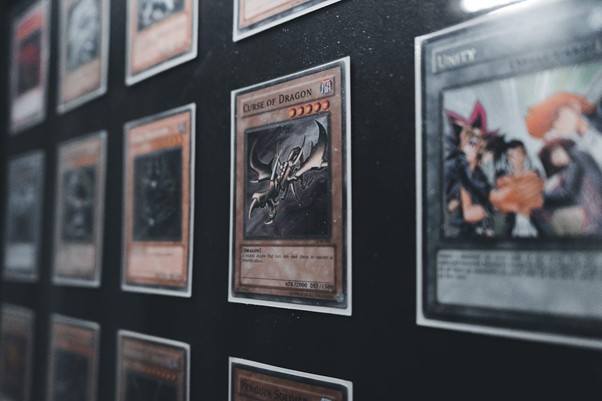
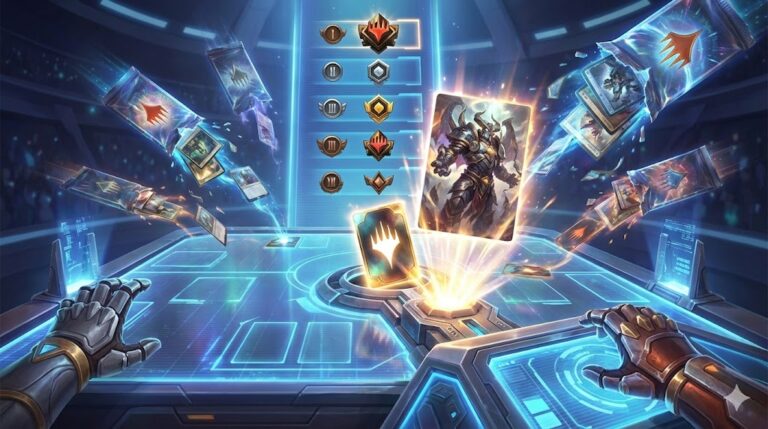
NFTs have brought a new twist to collectible card games. Players can now own digital cards minted on the blockchain, creating a new marketplace where rare and unique cards hold real value.
Players can earn money in NFT card games in a few different ways:
- Trading Card Games: Each NFT card is unique and can be traded on marketplaces. You can sell rare or popular cards for a profit, especially if acquired early. For example, in Gods Unchained, players collect, trade, and sell NFT cards, adding value and excitement to the game.
- Owning In-Game Items: Players can own items by buying, selling, and trading weapons, armor, vehicles, and other virtual goodies. In games like Axie Infinity, players own and train unique creatures called Axies. Each Axie is an NFT, and players can buy, sell, and breed them to create new ones adding a whole new level of excitement and value to gaming.
- Play-to-Earn Games: Players can earn real-world rewards by playing games and completing tasks. NFTs are assets that can be traded for cryptocurrency or other rewards, like in Splinterlands, a free-to-play game where players can earn rewards in the form of Dark Energy Crystals (DEC), which can be traded for cryptocurrency.
- Earning Through Staking: In some games, you can “stake” your cards, which means locking them up for a set time to earn rewards, which can often be converted into real money.
- Renting Out Cards: If you’ve got a rare or powerful card some NFT games let you rent out your cards to other players for a fee, giving you a steady way to earn.
- Winning Competitions: Many NFT card games host tournaments with prize money up for grabs. Skilled players who know their strategy can win these events and earn cash rewards.
These options make NFT card games not just fun but also a way to make some real-world income while you play.
Why Gamers Love NFT Games
So, what’s making players flock to NFT games?
- Better Security: In traditional games, items disappear if the game shuts down. With NFTs and blockchain technology, everything is transparent and cannot be altered or removed keeping your assets safe.
- Real-World Value: Items you earn or buy in games can be sold for actual money, making gaming a potential side hustle.
- Rare and Collectible: NFTs are one-of-a-kind and limited, which makes them super collectible. Think of them like rare trading cards or special-edition merch, scarcity can make them valuable. For example, the Hyperion Mythic card from Gods Unchained was sold for 146.271 Ethereum, worth over $60,000 at the time. This card, part of the limited edition Genesis Titans, holds great value in the game.
- Investment Potential: Since NFTs can go up in value over time, some players see them as an investment. Holding onto rare items might pay off later.
- Cross-Game Use: Some NFT games are trying to make items usable across different games and platforms. Blockchain platform Enjin, for example, has partnered with various game developers to explore the potential of cross-game NFT use cases, making your gaming experience more connected and flexible.
- Community Involvement: NFT games often invite players to help shape the game’s direction, creating a strong sense of loyalty and connection.
- Creative Gameplay: NFT games often bring fresh, new ways to play by using blockchain technology, making gaming so much more interactive and opening the door to experiences you can’t get in traditional games.
Gaming is more fun and exciting, with lots of new things to do thanks to NFTs. With the chance to own your stuff, earn real-world value, and try new gaming ideas, it’s easy to see why more gamers are getting into it.
Challenges in NFT Gaming
NFT gaming is exciting but comes with its challenges. One major issue is price volatility, as the value of NFTs can change rapidly, making a highly valuable item today potentially worthless tomorrow. Additionally, NFT games rely heavily on player participation, so a game’s decline can lower the value of its assets. Some people also worry blockchain technology uses a lot of energy.
Conclusion
Once considered dead and buried, things are looking up for NFT gaming. Developers are exploring cross-game NFTs, play-to-own models, and entirely player-driven economies. Because of NFTs, we look at gaming and owning digital items in ways we never thought possible. Whether you’re a casual gamer or a tech expert, now is a great time to try out NFT games. Just remember to approach it cautiously—start small, do your research, and most importantly, have fun.