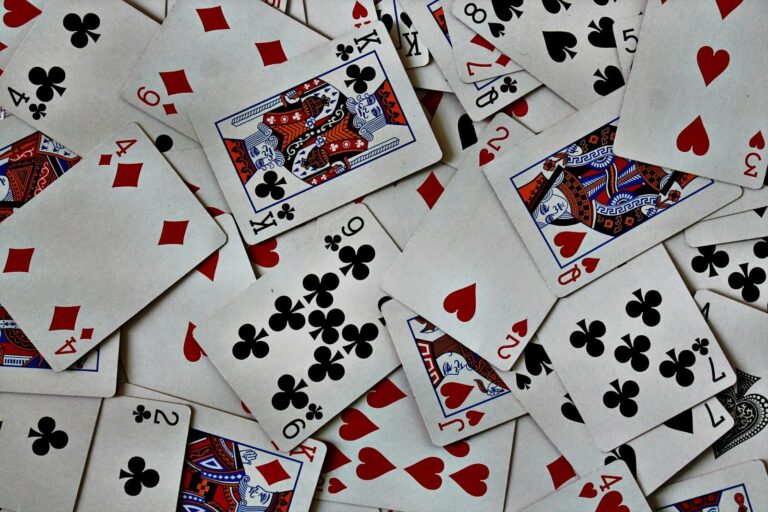


Collectible Card Games (CCGs) require players to carefully create decks and plan moves in order to outwit their opponents.
They draw clear parallels between such calculated approaches and the betting techniques used across many different forms of gambling and CCGs. Both sides need you to know about odds, risk management, and psychological tactics. By studying these parallels further, the players can gain great insights into how they can improve their own game strategies and decision-making.
Understanding Probability and Odds
Success in both CCG and betting will often depend largely on your ability to understand and manipulate the odds. Probability is an important concept as it helps predict when you will draw the card you need or get the result of an event. You should study it to know how best to approach either arena.
- Calculation of Odds: Like poker players calculate the odds of drawing a winning hand, CCG players also need to factor in the probability that certain combinations will work well together. They keep this information at hand when deciding whether to keep or swap out existing hands for newer cards. Knowing these probabilities could affect whether they will keep or draw new ones.
- Probability in Deck Building: To build a deck well in most CCGs involves picking the strongest cards available and ensuring their combination has the best chance of creating playable hands. This is similar to bettors carefully identifying odds to place more informed bets.
Risk Management
While playing and gambling, there are always some risks involved that need to be managed well. The players must make their decisions based on the current conditions in play, the behavior of the opponent, and the potential risks and rewards of each move made by themselves and the opponents.
- Assess Risk vs Reward: In collectible card games (CCGs), players must manage their risks effectively. They need to make an intelligent choice when playing high-cost cards that need quickly balancing the immediate benefits against leaving themselves open to counterplays by their opponents. Betting also involves similar considerations. When picking between high-risk wagers versus potential payoffs, one must compare potential payoff against the riskiness of the bet.
- Strategic Conservatism vs Aggression: Players may choose to either use a conservative strategy that reduces the expected risks, or an aggressive one that will bring higher rewards but with more risks.
Psychological Play
In both sports betting and card games, you will need to understand your opponent’s psychology and manipulate it to your advantage. You can use simple psychological hacks to influence your opponents’ decisions or maintain your competitive advantages over them.
- Bluffing and Misdirection: Like bluffing in poker, CCG players can also play or hold their cards to mislead their opponents about what they truly have in hand or strategy. This usually prompts errors or encourages overly cautious play.
- Skilled players and bettors are usually good at reading their opponents’ behavioral cues to calculate their moves. This includes determining whether a competitor may take certain risks or play more conservatively.
Strategic Flexibility
In both types of games, the player needs to be able to adapt their strategy to changing game conditions. By being responsive and quickly making changes as necessary according to the environment or situation, you can learn to direct the game in your favor.
- Dynamic Strategy Adjustment: The most successful players usually assess the state of play and adjust their strategies regularly in response to their opponents’ unexpected moves or changes in the odds.
- Utilizing Information: Card players and bettors must adapt their strategic calculations in response to new information, such as changes in opponent behavior or odds.
Conclusion
Collectible card games and betting have many things in common, especially when it comes to thinking strategically.
They both need the players to understand the game’s probability, manage their risks well, exploit psychological angles, and adapt their strategies appropriately. Decision-making rules remain relatively the same across these fields and could provide players a great way to expand their skill set by studying techniques used elsewhere. For more insights on sports betting and strategic gambling, visit Hudson Reporter now.