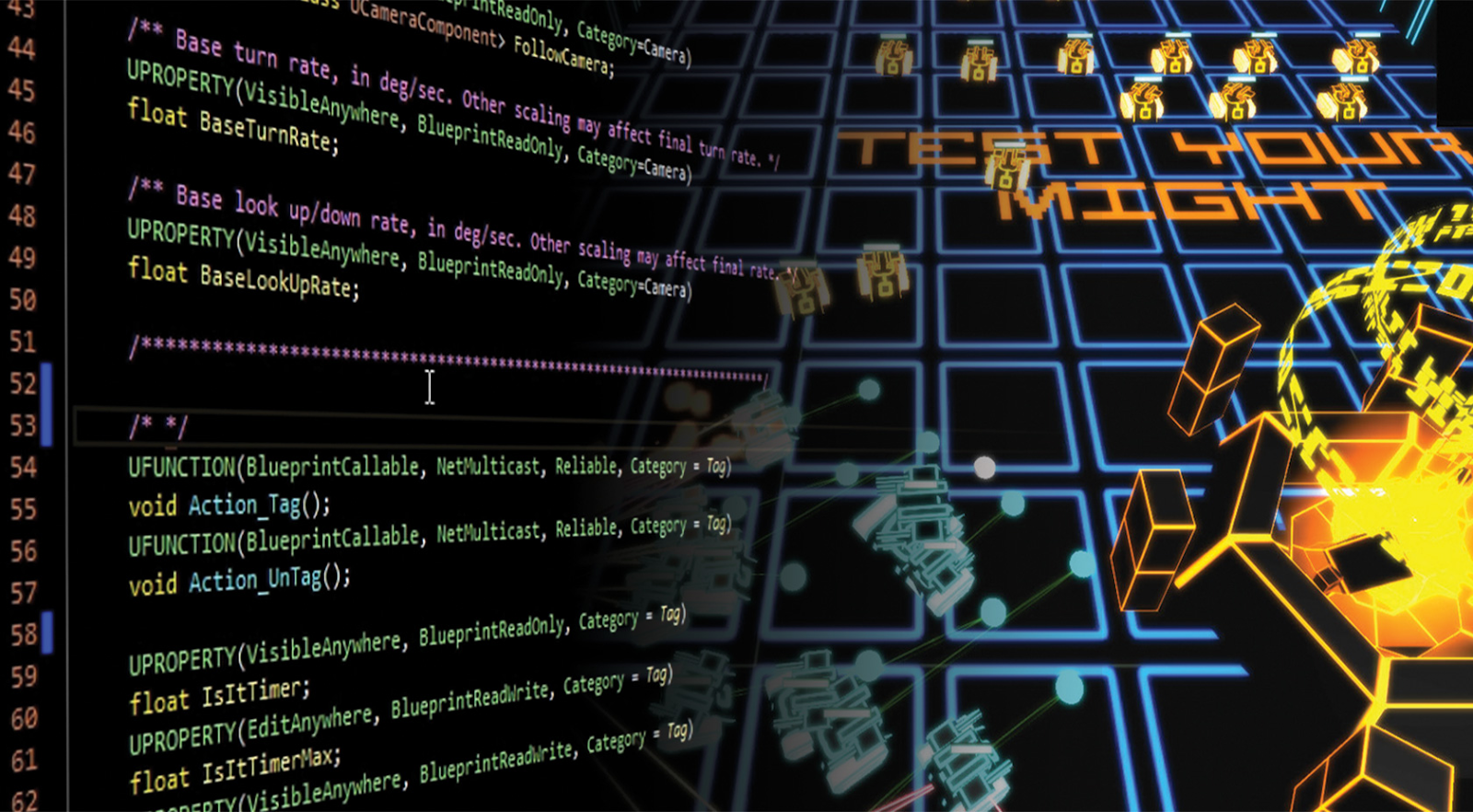

In the ever-evolving world of interactive entertainment, game programming stands as the backbone of digital magic. It’s the art of crafting immersive, dynamic, and engaging experiences that captivate players across the globe. Whether you’re a seasoned gamer with a passion for creating your own virtual worlds or a coding enthusiast seeking a thrilling career, understanding game programming is the first step towards unlocking the secrets of this fascinating realm. This article will delve into the fundamentals of game programming, exploring the skills, tools, and steps necessary to embark on a journey to become a gameplay programmer.
Understanding Game Programming
What is game programming?
Game programming is the artistic and scientific union of creativity and technical mastery that creates lifelike virtual environments. Fundamentally, it’s programming computer code that controls every aspect of a video game, from the physics controlling a character’s motion to the intricate algorithms that produce jaw-dropping visuals. The rules, player interactions, and overall gameplay experience are all shaped by game programmers, who are considered the architects of the game. By transforming ideas into digital realities and accomplishing the seemingly unattainable, they play a crucial part in the multibillion dollar video game industry.
The Game Programming Processes
Game programming, a multifaceted realm, unfolds through a series of intricate processes, with each stage demanding specific skills and expertise. For those venturing into the world of game design and
game programming basics
, it’s vital to comprehend these phases and the specialized roles they entail.
- Prototyping:
This initial stage is the birthplace of creativity and experimentation. Prototyping calls for programmers who revel in exploring uncharted territories, crafting the first interactive elements and mechanics that lay the foundation for a game’s potential.
- Game Design:
The design phase is where concepts and ideas take precedence. It’s less about coding and more about conceptualizing the game’s core mechanics, storyline, and player experiences. This stage sets the visionary direction for the project.
- Production:
When the heavy lifting begins, production demands skilled programmers who bring the game to life. This stage is home to a diverse array of specialized roles, including 3D graphics programmers, AI programmers, and more. Collaboration with other departments is integral, ensuring the integration of systems and creative assets.
- Testing:
Testing involves fine-tuning the game, identifying and rectifying bugs, and ensuring a seamless user experience. Programmers work closely with quality assurance teams to refine the gameplay experience.
- Maintenance:
Even after a game is launched, the work continues. Maintenance involves ongoing updates, bug fixes, and improvements based on player feedback and evolving technology.
The size of the development team varies with the scope of the project, where smaller teams handle more focused endeavors, while larger teams tackle expansive, ambitious games. Ultimately, a game programmer’s role is to transform conceptual dreams into interactive realities, where the execution of the concept is a testament to their skill and dedication. This is especially crucial in the realm of real money casinos in Estonia (you can find the best sites on SlotsUp), where player trust and regulatory adherence are paramount.
How To Become Game Programmer: 5 Tips
1. Acquiring Coding Skills
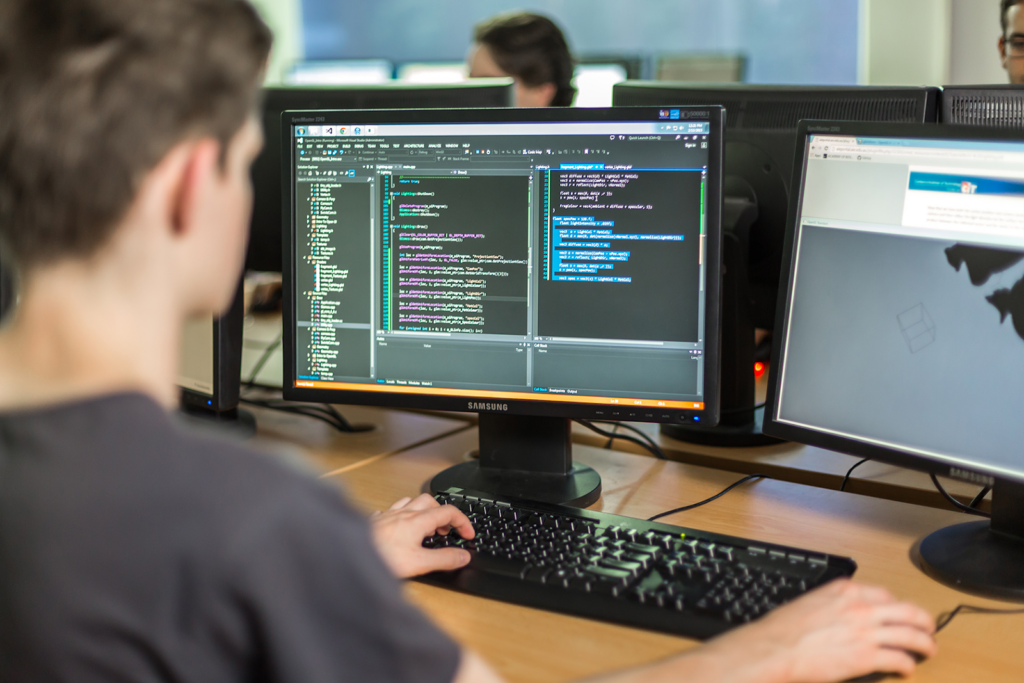
At its core, game programming revolves around the art of crafting code that infuses vitality into virtual realms. Your initiation into this realm begins with mastering the programming languages that underlie game development. Develop familiarity with languages such as C++, C#, Java, and Python, as these are the cornerstone of video game programming codes. Consider enrolling in a coding boot camp as an efficient means to expedite your learning process, acquiring practical skills and a profound understanding of coding’s fundamental principles. These coding proficiencies will form the bedrock of your journey into game programming.
Below we’ve added a table with useful tools that you might find useful when learning to develop
| Category | Tool | Description |
| Game Engines |
Unity |
Versatile engine for 2D and 3D games. |
| Graphics Design |
Adobe Photoshop |
Standard for 2D graphics and textures. |
| Sound & Music |
FMOD Studio |
Advanced audio middleware for games. |
| Version Control |
Git (GitHub, etc.) |
Collaboration and version control. |
| IDEs/Text Editors |
Visual Studio |
Development environment for coding. |
2. Crafting A Compact Game
After you’ve established a robust foundation in coding, it’s time to put your skills to the test by conceiving your inaugural game. This stage is where your creative ingenuity and problem-solving capabilities come to the forefront. Commence with a small-scale project, ideally a JavaScript game, as it empowers you to construct something from scratch, free from the constraints of pre-existing frameworks. Crafting a game from the ground up introduces you to the intricacies and challenges of game design, providing you with a comprehensive understanding of the development process. Furthermore, upon completing your project, you’ll possess a tangible accomplishment to proudly exhibit in your portfolio.
3. Formulating A Game Design Portfolio
As your proficiency in game design evolves, it becomes imperative to compile a robust online portfolio that mirrors your skill and enthusiasm. Your portfolio functions as a visual CV, a testament to your competencies, and a point of reference for prospective employers or collaborators. Customize your portfolio to accentuate your preferred facet of game design, whether it’s level design, systems design, user interface design, or any other specialization. Include your finest and most pertinent work, offering a glimpse into your creative and technical aptitude. You can read a guide on how to create a quality portfolio for game design< in order to attract your first clients.
4. Continue Learning And Building
Game development is constantly evolving, meaning that you need to continually stay up to date with the latest trends and technologies in the industry. Join communities and attend conferences and meet-ups to connect with other game developers and learn about the newest developments in game programming. Practice as much as possible, from developing simple games to increasingly complex ones. Remember, practice makes perfect, and the more you code, the better you become as a game programmer.
5. Apply For Game Programming Jobs
Once you have polished your skills and developed a few games of your own, you can begin applying for game programming jobs. You’ll find opportunities at game development companies, mobile app agencies, and even in the educational sector.
Conclusion
In the realm of game programming, the journey from novice to accomplished gameplay programmer is a blend of technical acumen and creative vision. We’ve explored the essential steps, from mastering coding languages to crafting your own games and building a compelling portfolio. This path, though demanding, offers limitless opportunities to shape the interactive experiences of the future. As the gaming industry continues to expand, so too does the demand for skilled programmers who can breathe life into captivating virtual worlds.
And for those who are passionate about casino games, there’s even more to discover. In this ever-evolving digital landscape, you can explore exciting opportunities in casino sites that allow deposits in Euros. With perseverance, innovation, and a dedication to honing your craft, you can embark on an exciting adventure in game programming, leaving your mark on this exciting and dynamic industry.