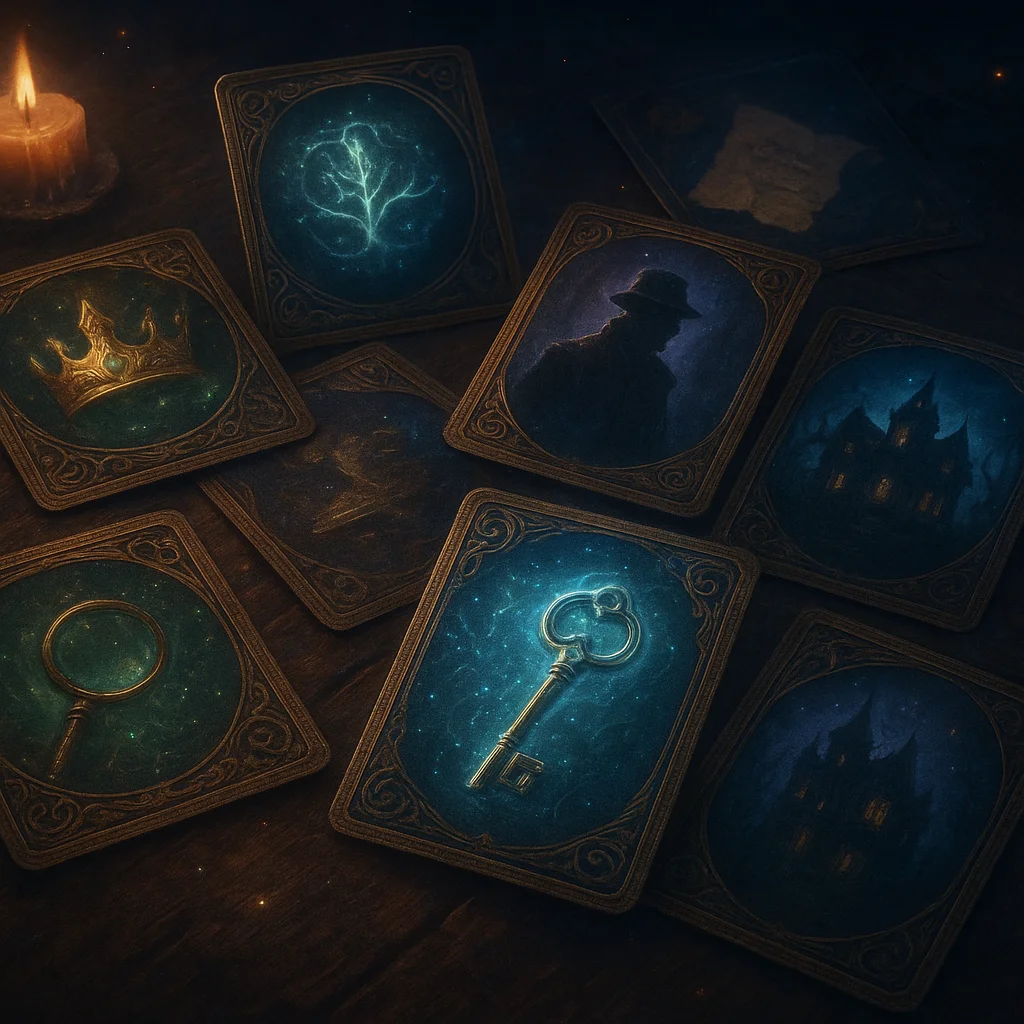

The Evolution of Enchantment Subtypes in Magic: The Gathering
A Comprehensive Look at MTG’s Growing Enchantment Taxonomy
Over the decades since Magic: The Gathering’s debut in 1993, the game has continuously evolved, introducing new mechanics and card types that deepen strategic gameplay. Among these innovations, enchantment subtypes have emerged as one of the most dynamic and frequently expanded categories in the game. As of early 2026, the list of enchantment subtypes has grown to include at least twelve distinct categories, each bringing unique mechanical identities and strategic considerations to deck construction and gameplay.
The Foundation: Classic Enchantment Subtypes
At the core of Magic’s enchantment system lies the Aura subtype, which has been a fundamental part of the game since its earliest days. Unlike other enchantments that simply exist on the battlefield, Auras represent magical effects that must attach to specific permanents—creatures, lands, artifacts, or even other enchantments. This attachment requirement creates inherent risk-reward dynamics, as removing the enchanted permanent typically sends the Aura to the graveyard as well.
Building upon the Aura foundation, Wizards of the Coast has introduced several specialized Aura subtypes over the years. The Curse subtype represents a particularly interesting evolution, as these enchantments don’t attach to permanents at all. Instead, Curses enchant players directly, creating ongoing negative effects for opponents or, occasionally, beneficial effects that come with strategic drawbacks. This subtype has become a staple in multiplayer formats, particularly Commander, where political dynamics can determine who receives these unwelcome magical afflictions.
Furthermore, specific sets have introduced thematically appropriate Aura subtypes. Cartouche, for instance, emerged from the Amonkhet block, evoking the Egyptian-themed world’s ceremonial decorations. Similarly, Rune appeared in Kaldheim, the Norse mythology-inspired set, bringing enchantments that felt mechanically and thematically aligned with ancient magical inscriptions.
The Modern Era: Mechanically Complex Subtypes
As Magic design philosophy has evolved toward more mechanically integrated storytelling, enchantment subtypes have grown increasingly sophisticated. The Saga subtype, first introduced in Dominaria, revolutionized how enchantments could tell stories through gameplay. These enchantments feature multiple chapters that trigger sequentially over several turns, creating narrative arcs that mirror the legendary tales they represent. Mechanically, Sagas use lore counters to track progression, with each chapter triggering abilities that often build upon previous effects, culminating in dramatic conclusions before the Saga sacrifices itself.
Transitioning from individual narratives to character development, the Class subtype introduced enchantments that represent a character’s progression through different skill levels. Much like role-playing game mechanics, Class enchantments can be “leveled up” by paying additional mana costs, unlocking more powerful abilities at each tier. This mechanic brilliantly captures the fantasy of character growth within a single permanent, allowing players to invest resources over time for escalating payoffs.
Recent Innovations: Wilds of Eldraine’s Role System
The release of Wilds of Eldraine in 2023 brought one of the most mechanically distinctive enchantment subtypes to date: Role tokens. This innovation marked a significant departure from traditional enchantment design by creating enchantment tokens that follow specific rules regarding uniqueness and replacement. The Role system includes seven distinct types: Cursed, Monster, Royal, Sorcerer, Wicked, Young Hero, and the Commander-specific Virtuous.
What makes Roles particularly interesting from a mechanical standpoint is their built-in limitation: a permanent can have only one Role attached at a time. When a new Role would be created on a permanent that already has one, the previous Role is replaced. This creates fascinating strategic tension, as players must decide whether upgrading a creature’s Role is worth losing the previous enchantment’s benefits. Moreover, each Role type provides different mechanical benefits, from power and toughness boosts to card draw and removal abilities.
The Role mechanic also elegantly captures the fairy tale themes of Eldraine, representing how characters might take on different archetypal roles throughout their stories—sometimes the hero, sometimes the monster, sometimes cursed by magical forces beyond their control. This thematic resonance between mechanics and flavor demonstrates modern Magic design’s commitment to unified gameplay experiences.
Mystery and Investigation: The Case Subtype
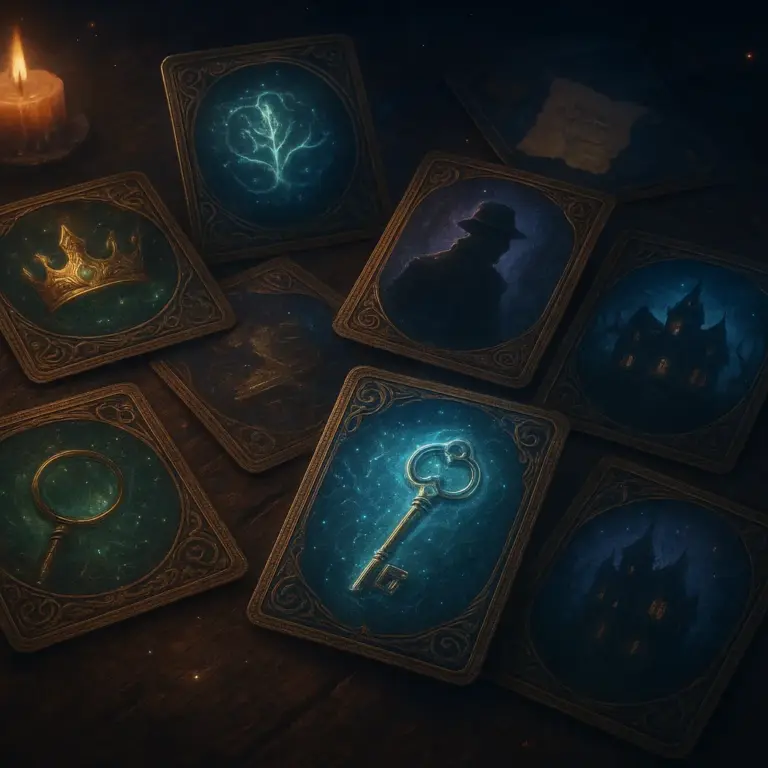
Moving from fairy tales to noir mysteries, Murders at Karlov Manor introduced the Case subtype, bringing detective fiction tropes to enchantment gameplay. Cases represent ongoing investigations that players must solve by meeting specific conditions. Each Case enchantment features two distinct parts: an immediate effect that occurs when the Case enters the battlefield, and a more powerful “solved” ability that becomes accessible once players satisfy predetermined criteria.
This design creates compelling gameplay decisions throughout a match. Players must evaluate whether actively working toward solving their Cases is worth the resource investment, or whether the Cases will solve themselves naturally through regular gameplay. Additionally, Cases add a minigame quality to matches, giving players secondary objectives beyond simply reducing opponents’ life totals to zero.
The Case mechanic also reinforces Karlov Manor’s mystery theme mechanically. Just as detectives gather clues and evidence to solve crimes, players accumulate game actions and board states that eventually unlock the Case’s full potential. This mechanical storytelling makes each game feel like unraveling a mystery, with the Case’s solution providing both narrative and strategic payoff.
Environmental Horror: The Room Subtype
In stark contrast to the investigative procedurals of Karlov Manor, Duskmourn: House of Horror introduced the Room subtype, bringing environmental horror to life through enchantment mechanics. Rooms represent the various chambers and spaces within Duskmourn’s haunted house setting, creating location-based enchantments that influence gameplay in thematically appropriate ways.
While specific mechanical details about how Rooms function vary by individual card, the subtype represents Magic’s ongoing exploration of how enchantments can represent places rather than merely abstract magical effects or attachments. This spatial approach to enchantment design opens new avenues for mechanical expression, particularly in sets where location matters to the narrative and gameplay experience.
Specialized and Niche Subtypes
Beyond these major categories, several more specialized enchantment subtypes serve specific mechanical or thematic purposes. The Background subtype, introduced in Commander Legends: Battle for Baldur’s Gate, works in conjunction with the “Choose a Background” mechanic on legendary creatures. These enchantments can serve as commanders in the format, representing the backstories and character histories that define adventurers in Dungeons & Dragons-inspired settings.
Similarly, the Shrine subtype has carved out a unique mechanical niche. Originating in Champions of Kamigawa and revitalized in subsequent sets, Shrines typically feature abilities that grow stronger based on how many Shrines a player controls. This creates natural deck-building incentives toward Shrine-focused strategies, where assembling multiple different Shrines creates exponentially increasing value.
The Shard subtype, while less mechanically developed than others, represents another category in Magic’s expanding enchantment taxonomy. These subtypes demonstrate that Wizards of the Coast continues to explore new design space even within well-established card types.
Strategic Implications for Deck Construction
The proliferation of enchantment subtypes has significant implications for competitive and casual deck building. Each subtype comes with its own support cards, synergies, and strategic considerations. For instance, enchantment-based removal like Naturalize or Disenchant becomes more valuable in formats where enchantments serve multiple roles—as removal (Cases solved), as creature enhancements (Auras and Roles), as card advantage engines (Sagas), or as build-around payoffs (Shrines).
Moreover, certain strategies specifically reward playing enchantments with particular subtypes. Constellation abilities, which trigger whenever enchantments enter the battlefield, don’t discriminate between subtypes, making every enchantment category potentially valuable. However, subtype-specific synergies create deeper deck-building puzzles. Should a Saga-focused deck prioritize the narrative payoffs of individual Sagas, or should it include cards that specifically interact with the Saga subtype? Do Role-based strategies want redundancy to ensure creatures always have optimal Roles, or diversity to adapt to different game states?
Format-Specific Considerations
Different Magic formats interact with enchantment subtypes in varying ways. In Standard, the most recent sets determine which subtypes are available, creating rotating metagames where certain enchantment strategies rise and fall with set releases. The addition of Cases in Murders at Karlov Manor, for example, immediately created new deck archetypes focused on consistently solving investigations for value.
In Commander, the singleton nature of the format and higher life totals make enchantment subtypes particularly relevant. Curses become political tools, allowing players to target specific opponents. Background enchantments enable unique commander combinations unavailable in other formats. Shrines can be collected across multiple sets to create specialized tribal-style decks.
Meanwhile, in eternal formats like Modern and Legacy, enchantment subtypes from across Magic’s history remain legal, creating deep pools of potential synergies. Players can combine Sagas from multiple sets, utilize the most efficient Auras from any era, and build around niche subtypes that might lack critical mass in more limited formats.
The Future of Enchantment Design
As Magic continues to expand with new sets and collaborations, enchantment subtypes seem poised for further growth. Each new plane and setting offers opportunities to introduce mechanically distinct enchantment categories that reinforce thematic elements while providing fresh gameplay experiences. The trajectory from simple Auras to complex systems like Roles and Cases suggests that Wizards of the Coast views enchantment subtypes as fertile ground for mechanical innovation.
The challenge moving forward lies in maintaining mechanical clarity while expanding the taxonomy. With twelve distinct enchantment subtypes already established, plus numerous sub-categories within broader types like Roles, players must track increasingly complex board states. Each new subtype must justify its existence by offering meaningfully different gameplay from existing categories, not merely providing cosmetic variation.
Nevertheless, the success of recent enchantment subtype designs—the narrative arc of Sagas, the character progression of Classes, the fairy tale dynamics of Roles, and the investigation gameplay of Cases—demonstrates that meaningful mechanical space remains to be explored. As Magic enters its fourth decade, enchantment subtypes stand as evidence of the game’s capacity for reinvention within established frameworks, offering veteran players new strategic dimensions while maintaining the fundamental enchantment gameplay that has defined Magic since its inception.
Conclusion
From the foundational Aura to the innovative Case, enchantment subtypes have evolved from simple taxonomic categories into sophisticated mechanical systems that drive deck construction, shape metagames, and tell compelling stories through gameplay. The twelve-plus subtypes currently recognized in Magic represent decades of design iteration, each contributing unique strategic considerations and thematic resonance to the game. As Wizards of the Coast continues to explore new planes, collaborate with outside properties, and push mechanical boundaries, enchantment subtypes will undoubtedly remain a dynamic and evolving aspect of Magic: The Gathering’s rich strategic landscape.