
Magic: The Gathering has always been more than just a card game. It’s now a living, evolving ecosystem of strategy, collection, and competition. With MTG Arena bringing the experience into the digital world, players have witnessed countless changes in how cards are earned, traded, and monetised.
At the time of writing, rumours are swirling about a new evolution spreading through the community, which is that digital currencies could soon become part of the game’s economic structure.
Let’s dive straight in to discover more.
The digital landscape of MTG Arena
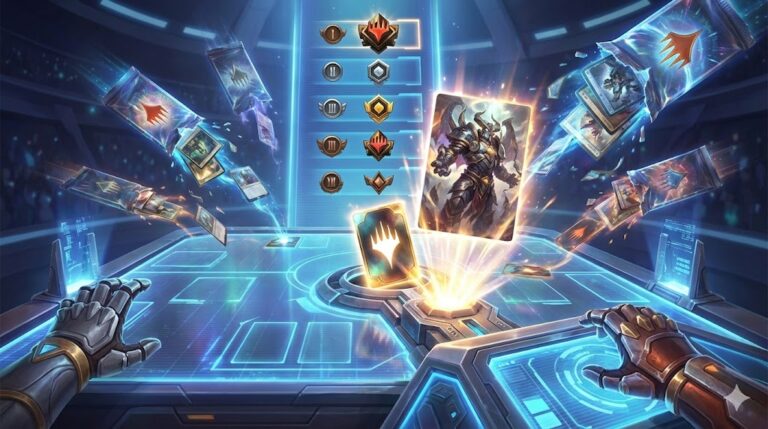
Since its launch, MTG Arena has been praised for making Magic more accessible to new players, but it has also faced criticism for its in-game economy. Wildcards, booster packs, and gold are all part of a system designed to mirror the trading card experience in a digital form.
However, many say this model has become restrictive.
Players often find themselves grinding for hours or spending significant amounts of money to complete competitive decks. The value of digital cards, unlike their physical counterparts, cannot be transferred or traded, which limits the sense of ownership many collectors value.
As gaming economies evolve, it’s only natural that players and developers are exploring whether digital currencies could add more flexibility and fairness to the system.
Some industry insiders have hinted that blockchain or token-based systems might one day play a role in the arena ecosystem. Similar models are already being used in other online games and virtual markets, where players can use crypto-like currencies to buy, sell, or even rent items.
Those who are curious about how this might unfold in the wider gaming world can find more info on jaxon.gg, where analysts and industry experts are tracking how digital economies are reshaping interactive entertainment.
Could cryptocurrency enhance player ownership?
One of the biggest appeals of blockchain and digital currencies lies in ownership. In traditional gaming economies, players never truly own their in-game items, as they’re simply renting access within a company’s platform.
Digital currencies could change that dynamic by providing players with verified ownership of digital assets, whether that means exclusive cards, avatars, or cosmetic upgrades.
Let’s just say that you’re able to trade rare cards securely through a decentralised system, without the risk of scams or account bans. It could give players a new sense of autonomy and even a way to monetise their achievements.
However, integrating such a system into MTG Arena would not be straightforward. Wizards of the Coast would need to address concerns over regulation, environmental impact, and the potential for pay-to-win dynamics that could alienate casual players.
However, the idea is gaining traction. With cryptocurrency becoming more mainstream than ever, and digital payments already accepted for everything from concert tickets to online casinos, it’s not far-fetched to imagine a future where MTG Arena adopts a hybrid model of traditional and digital currency systems.
Balancing innovation with tradition
Magic: The Gathering has survived for over three decades because of its balance between innovation and tradition. Every new set introduces fresh mechanics and lore, but the heart of the game remains the same. Any economic overhaul would need to preserve that balance.
Players are drawn to MTG because of its strategic depth, creative deck building, and sense of community, so if digital currencies were introduced, they would need to enhance, not disrupt, those core values.
A transparent and well-regulated system could make the economy more engaging, giving players more choice in how they invest their time and money. If poorly executed, it could lead to imbalance and frustration, turning the game into a market-driven race rather than a skill-based challenge.
Developers are clearly watching the trend. The global gaming industry is gradually embracing digital payments and tokenised systems, and companies that adapt intelligently could gain a competitive edge.
MTG Arena’s developers have already shown their willingness to experiment, and the next few years could see some of the most significant economic shifts the platform has ever known.
Final thoughts
The idea of integrating digital currencies into MTG Arena may seem ambitious, but it reflects a broader cultural shift in how we perceive ownership, value, and entertainment in the digital age.
Players are no longer content with static in-game economies that offer little flexibility or reward for investment. They want systems that feel dynamic, transparent, and fair.
Whether Wizards of the Coast embraces blockchain technology or simply refines the existing economy, the future of MTG Arena’s financial system will no doubt continue to shape how players engage with the game. If done thoughtfully, it could redefine digital gaming economies entirely.