

Card players understand risk because the lesson arrives on every turn. A good decision can still lose to a poor draw, and a bad choice can survive because the next card bails it out. Sports bettors face the same problem. Results can flatter weak thinking or punish sound judgement, which is why bankroll discipline has to start before the bet goes in.
Comparison sites help users judge promotions before they commit funds. A reader can compare offers, including the current Stake welcome offer, through rankings and reviews from comparison sites like Covers.com, with checks across terms, bonus size, payment options, and account rules. Those guides often explain how wagering terms work after sign-up. This can help new users steer clear of avoidable mistakes when they’re placing wagers.
Bankroll discipline means deciding the stake before emotion gets in the way. The American Gaming Association said legal US sports betting reached $166.94 billion in handle in 2025. This figure shows why bettors need limits, because a market with that much action can make poor habits feel normal.
Card Players Know Variance Before They Name It
Variance means outcomes move around even when the decision makes sense. A card player sees it every session. A strong opening hand can fade. A risky keep can hit the right draw. The lesson feels mild until money enters the process, and then the same pattern needs rules rather than mood.
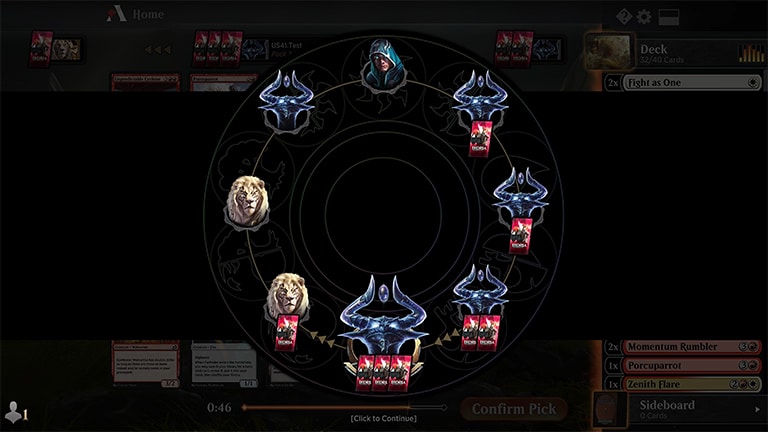
Magic The Gathering: Arena gives players a digital version of that lesson, with ranked play and collection building on top of match decisions. Some promotion codes can include MTG Arena rewards, though terms vary by code. Players still have to decide how to spend wildcards, how to build sideboards, and when a deck has enough evidence behind it.
That mindset helps bettors because sports results carry the same short-term mess. A striker can miss from close range. A quarterback can throw a perfect pass and watch it bounce away. The bettor who treats one result as proof will learn the expensive version of a lesson card players learn in draft queues.
Unit Size Beats Confidence
A unit means a set stake. A bettor might make one unit worth $10 or $20, depending on budget. The point lies in keeping stake size steady enough to track results. Card players understand this through resource management. Spend everything at the wrong moment and the next turn can get rude.
The UK Gambling Commission said new rules will require online gambling businesses to prompt customers to set a financial limit before a first deposit. That move reflects a basic truth: people make better choices when the limit comes before the session. A card player builds a deck before the match. A bettor should set stake rules before kick-off.
This approach also protects the reader from the hot streak story. Three wins in a row can feel like new knowledge. It may only mean three wins in a row. Card players know that a run of good draws can make any deck look better than it is. Betting needs the same small suspicion of comfort.
Free Rewards Can Still Shape Behaviour
Digital card games use rewards to keep players returning. That can help new users learn formats without spending. It can also train a habit of checking the next offer. The line between value and clutter deserves attention, especially for players who also bet on sport.
Players often look for free MTG packs to grow a collection without paying for every card. That makes sense when the goal stays within the game. The same habit in betting needs more care, because bonus money comes with rules. A deposit match can involve wagering terms, eligible markets, and expiry dates. The headline number only starts the reading.
The National Council on Problem Gambling found that online gambling participation rose from 15% in 2018 to 22% in 2024. It also found parlay use among sports bettors rose from 17% to 30% over the same period. That growth gives promotions more reach, and it gives users more reason to read conditions before acting.
Bankroll Rules Make Review Possible
A card player can review a match because the decisions leave a trail. Mulligan choices, attacks, blocks, and sideboard plans all create evidence. Betting works better when users create that same record. Stake amount, price, market type, and reasoning should go beside each bet. The note can stay short. It just has to exist.
Good records reveal patterns faster than memory. A bettor may think player props drive profit, only to find totals carried the month. A Magic player may think one deck struggles against control, then discover the problem came from weak sideboarding. Both cases reward the person who writes things down before pride edits the file.
Limit setting also has research behind it. A 2025 policy review in Harm Reduction Journal examined online gambling limit rules across countries and found wide variation in deposit and loss-limit systems. The shared aim remains easy to grasp. Limits give the user a barrier at the point where excitement starts asking for special treatment.